

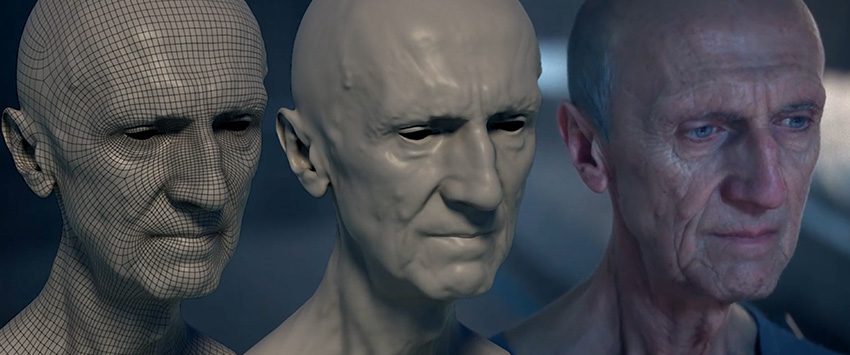
Ever wondered how filmmakers create those jaw-dropping scenes with digital doubles of actors, intricate props, or entire virtual sets that look just like the real thing? That’s the magic of 3D scanning! This cutting-edge technology lets filmmakers capture every tiny detail (from the freckles on an actor’s face to the texture of a prop) turning them into hyper-realistic digital models that can be animated, manipulated, and brought to life on screen.


1. What is 3D scanning?
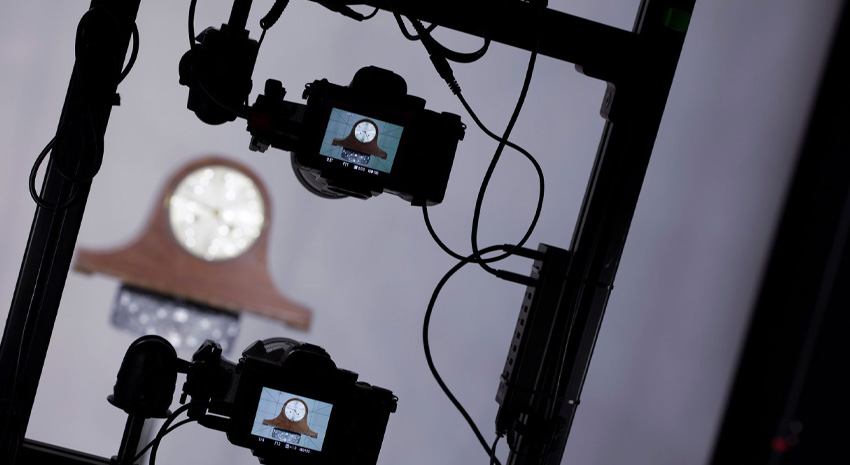

3D scanning is a process that captures the shape, texture, and details of real-world objects, people, or environments to create highly accurate digital models. With the use of this technology, filmmakers can now realise their vision with a greater sense of realism. Let’s take a look at how it functions and the many kinds of 3D scanning that are employed in the industry.
How does 3D scanning work?

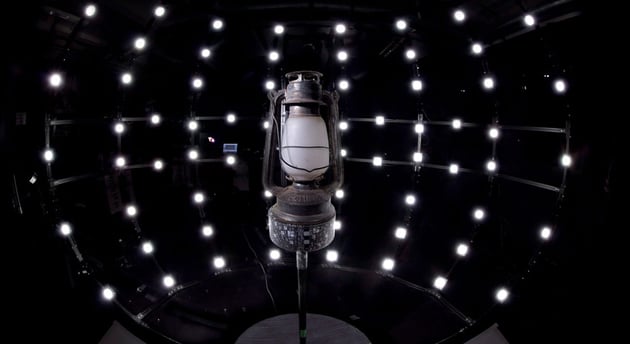
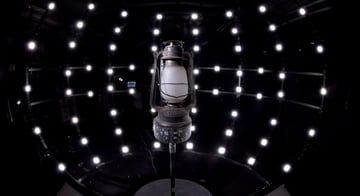
3D scanning involves using specialized equipment to scan an object or person from all angles. These devices capture data points, known as a “point cloud,” that map the object’s surface in three dimensions. The raw data is then processed into a digital model that can be viewed, edited, and animated on a computer. The result? A perfect virtual replica that captures every curve, crease, and texture with incredible precision.
Types of 3D scanning
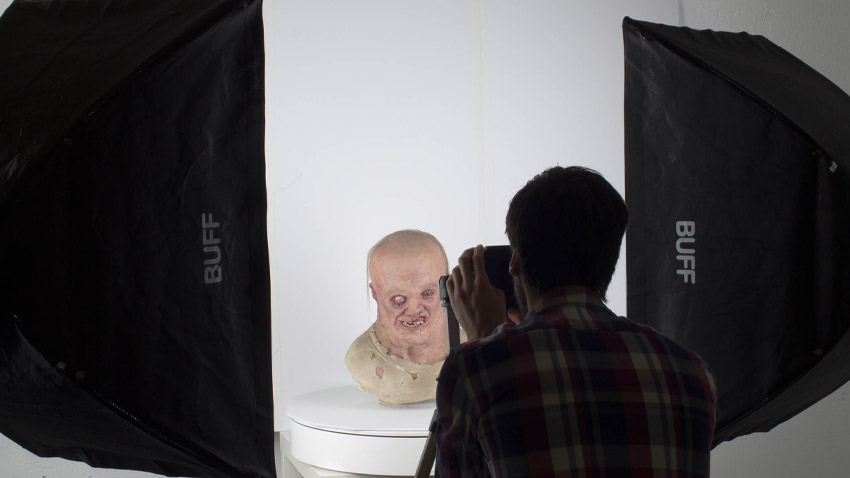

There are several methods used in 3D scanning, each with its strengths and best-use scenarios in film production:
-
Laser scanning: This technique uses lasers to measure the distance between the scanner and the object, creating a highly detailed map of the surface. It’s perfect for capturing complex shapes and intricate details, making it ideal for props, sets, and environments.
-
Structured light scanning: This method projects a pattern of light onto an object and measures how the light deforms on the surface. It’s fast and highly accurate, making it a popular choice for scanning actors’ faces and bodies, where capturing fine details is essential.
-
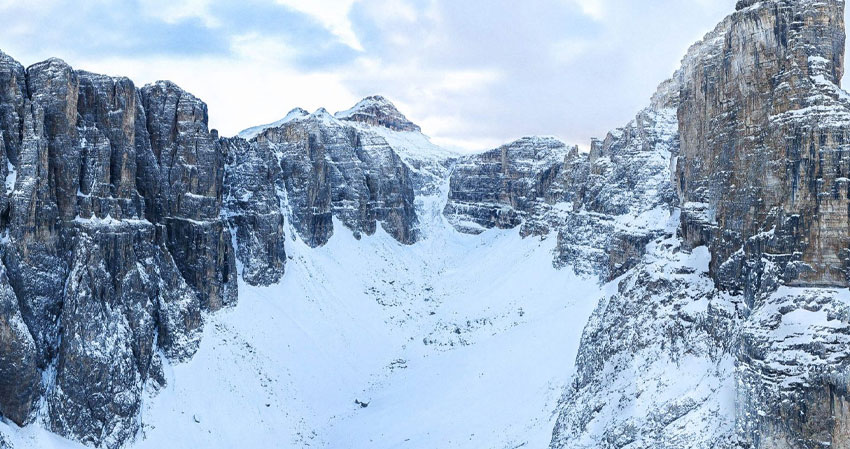
Photogrammetry: This approach uses multiple photos taken from different angles to reconstruct a 3D model. While it’s less precise than laser or structured light scanning, it’s cost effective and great for capturing large objects or locations, like entire film sets or outdoor scenes.
From scan to screen
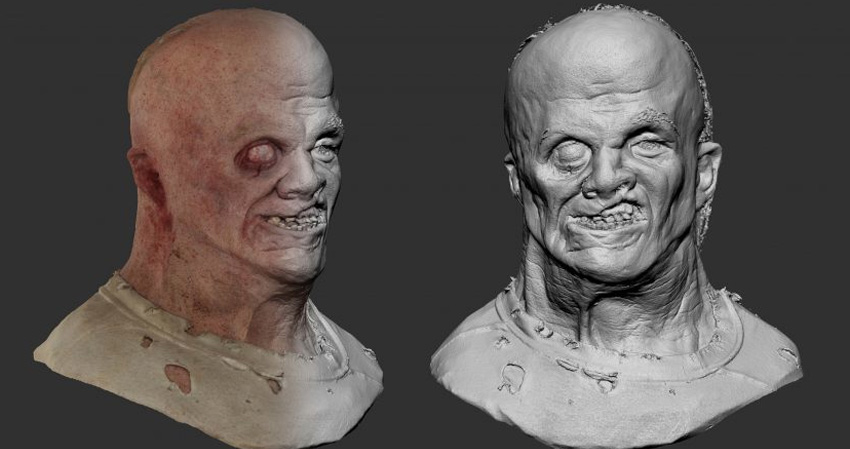
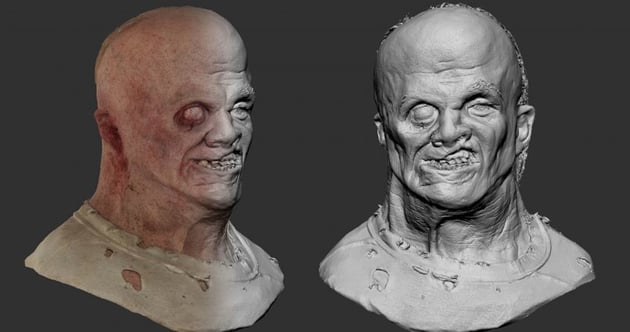
Once the scanning process is complete, the data undergoes post-processing to clean up any imperfections and optimize the model for use in the film. Artists can then add textures, rigging, and animation, turning the scan into a fully functional digital asset ready for any cinematic adventure. From there, the sky’s the limit! Whether it’s creating realistic CGI characters, building virtual worlds, or pulling off impossible stunts, 3D scanning makes it all possible.
2. Why 3D scanning is used in film
Speed and efficiency
One of the biggest advantages of 3D scanning is the speed it brings to the production process. Instead of spending weeks or even months manually sculpting digital doubles or props, 3D scanning captures every detail in a matter of minutes. This efficiency saves valuable time on set and in post-production, allowing teams to focus more on the creative aspects of filmmaking rather than getting bogged down by technical hurdles.
Unmatched realism
Flexibility and creative freedom

With 3D scans, filmmakers have endless possibilities at their fingertips. Once an object or actor is scanned, the digital model can be manipulated in countless ways. Want to make a prop explode without damaging the original? No problem. Need an actor to perform a dangerous stunt without risk? Easy! This flexibility allows filmmakers to push creative boundaries, experiment with scenes, and achieve shots that would be extremely difficult with practical effects alone.
Cost savings in the long run
While 3D scanning requires an initial investment in equipment and expertise, it can lead to significant cost savings over the course of a production. Digital assets can be reused and repurposed, reducing the need to build new props or sets for every scene. Plus, with fewer physical stunts and reshoots needed, productions can avoid costly delays and get the perfect shot more efficiently.
Enhancing visual effects and virtual production
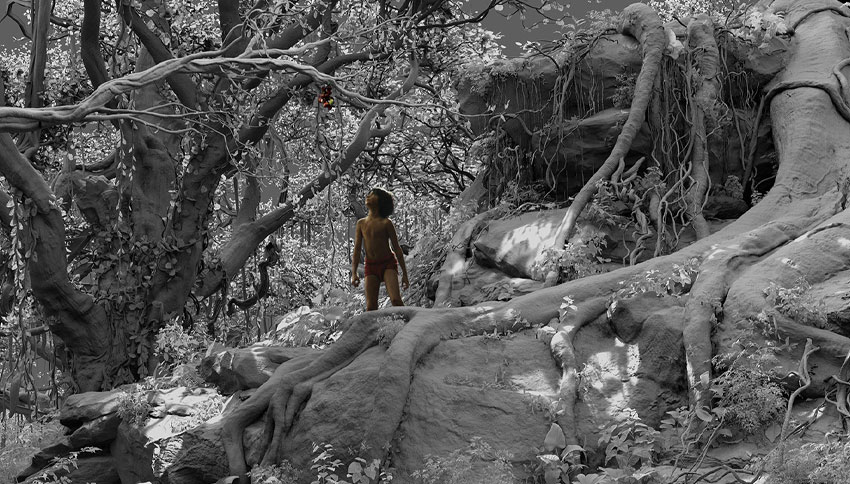
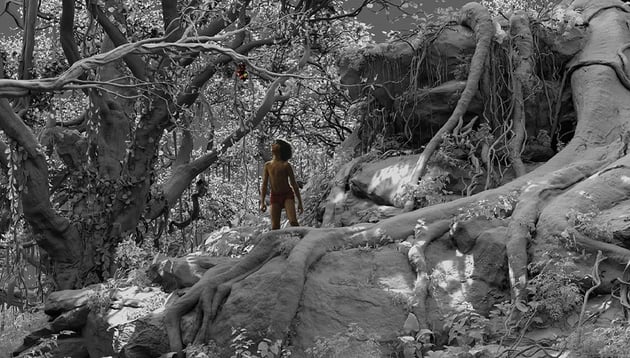
3D scanning is a cornerstone of the growing trend of virtual production, where entire environments and scenes are created digitally. Scanned assets can be placed into virtual sets, allowing directors to visualize and adjust scenes in real time. This integration helps blend the physical and digital worlds seamlessly, resulting in visually stunning effects that feel grounded in reality.
3. Scanning actors: Creating digital doubles
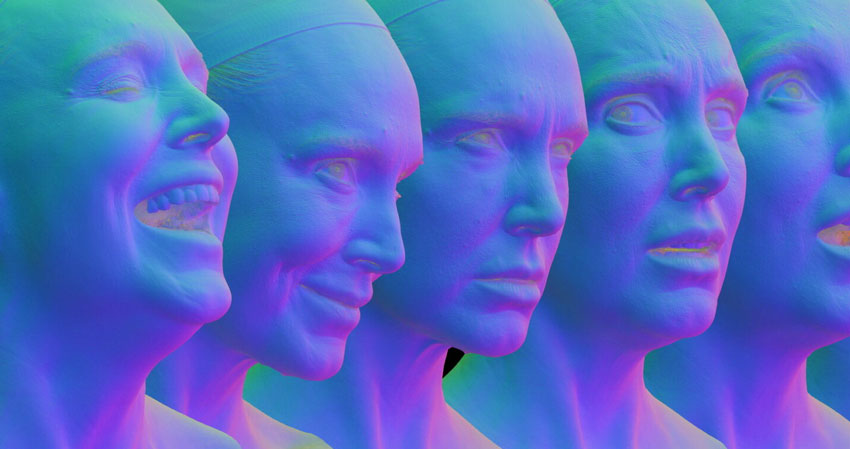

Creating digital doubles of actors has become one of the most exciting applications of 3D scanning in film. Digital doubles are incredibly realistic 3D replicas of actors that can be used in various ways, from dangerous stunts to creating characters that look younger or older than the real actors.
How actors are scanned
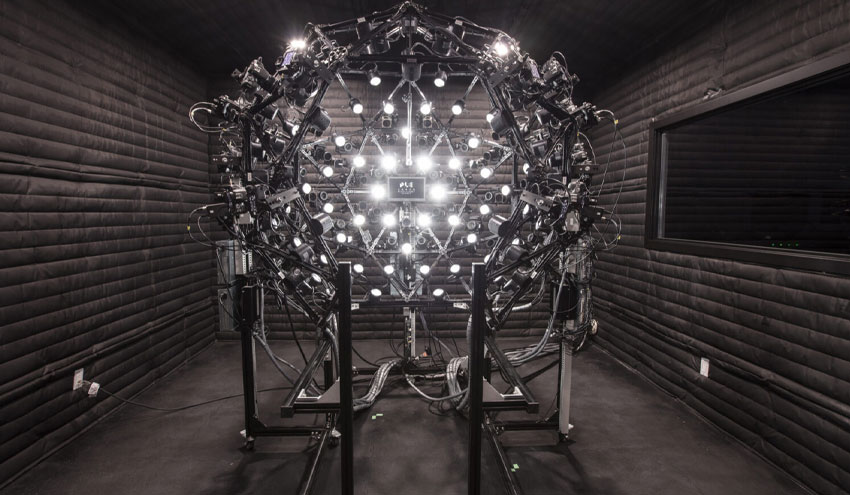
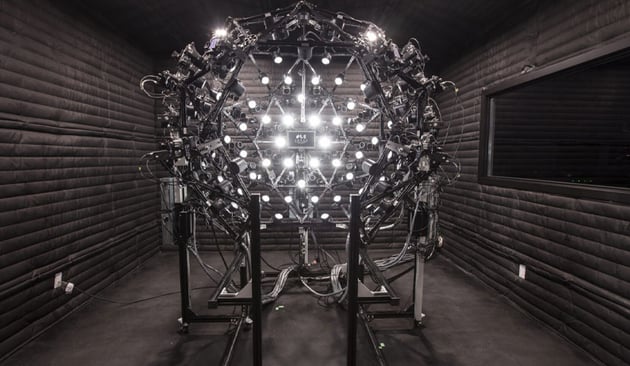

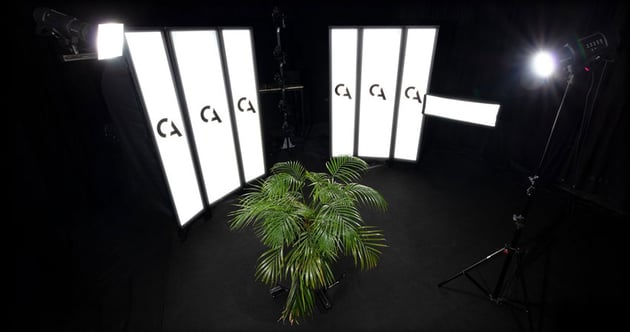
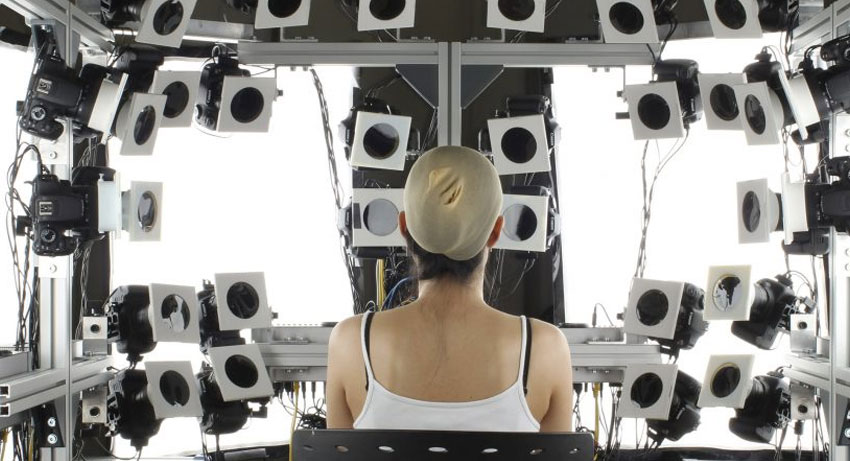
The process of scanning an actor usually starts with a visit to a specialized scanning booth or studio equipped with an array of cameras and lights. The actor is surrounded by these cameras, which capture their entire appearance from every angle. This setup captures even the most subtle details, such as skin texture, freckles, and facial expressions, in a process that usually takes just a few minutes.
For facial scans, actors are often asked to make a series of expressions (such as smiling, frowning or raising eyebrows) so that animators can replicate realistic movements later. These scans are then turned into a highly detailed 3D model that serves as the foundation for creating a digital double. The result is a virtual clone that looks exactly like the real actor, down to the smallest detail.
Applications of digital doubles

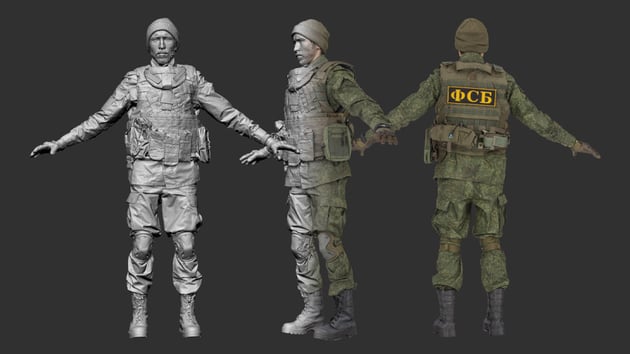
-
Stunts and action sequences: Instead of risking an actor’s safety, digital doubles can perform dangerous stunts, from high-speed chases to massive explosions, all without anyone ever getting hurt. These doubles are animated to match the actor’s movements, creating seamless and safe action scenes.
-
De-aging and aging characters: Want to show a character at a different age? 3D scanning makes it easy to de-age an actor or add decades to their appearance without relying solely on makeup. Films like “The Irishman” used digital doubles to convincingly show characters at various ages throughout the story.
-
Virtual performances: Digital doubles can even be used for entire performances, especially in situations where the actor isn’t available or needs to portray something physically impossible. From fantasy creatures to superhero feats, these doubles bring a level of realism that traditional CGI alone often struggles to match.
-
Recreating actors: In some cases, digital doubles have been used to bring actors back to life on screen, like when Peter Cushing was recreated for “Rogue One: A Star Wars Story.” These digital performances blend old footage, scans, and cutting-edge animation to pay homage to actors no longer with us.
4. Scanning props and environments
3D scanning isn’t just for actors, it’s also used extensively to digitize props, sets, and entire environments, bringing a new level of realism and flexibility to film production. From intricate weapons and costumes to entire city streets, scanning these elements allows filmmakers to create virtual replicas that can be manipulated in ways that traditional practical effects can’t match.
Prop digitization: Bringing objects to life
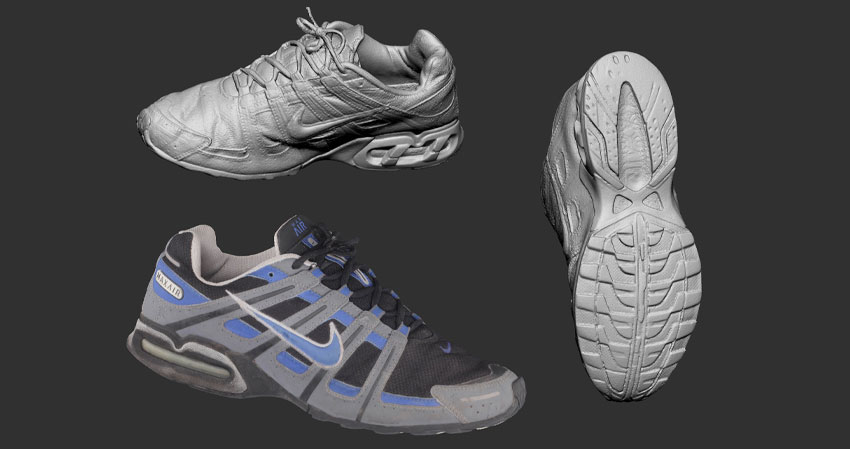

Props are an essential part of any film, and 3D scanning allows filmmakers to capture them in stunning detail. Whether it’s a futuristic weapon, a delicate piece of jewellery, or a complex machine, 3D scanning ensures that every curve, texture, and scratch is faithfully recreated in the digital world. Once scanned, these digital props can be used in various ways:
- CGI enhancement: Scanned props can be animated, destroyed, or modified in CGI without risking damage to the physical object. Need a car to explode or a sword to be thrown in slow motion? The digital versions can handle it all, creating visually spectacular effects that are both safe and repeatable.
- Replication and modification: Scanning props allows for easy replication and modification, giving filmmakers the flexibility to change details or create multiple versions for different scenes. This is particularly useful for props that need to look worn over time or in different conditions.
- Consistency across scenes: Having a digital version of a prop ensures continuity, especially when the physical prop isn’t available on set. This consistency helps maintain the look and feel of the film, even when scenes are shot out of order or in different locations.
Environment scanning: Crafting virtual worlds
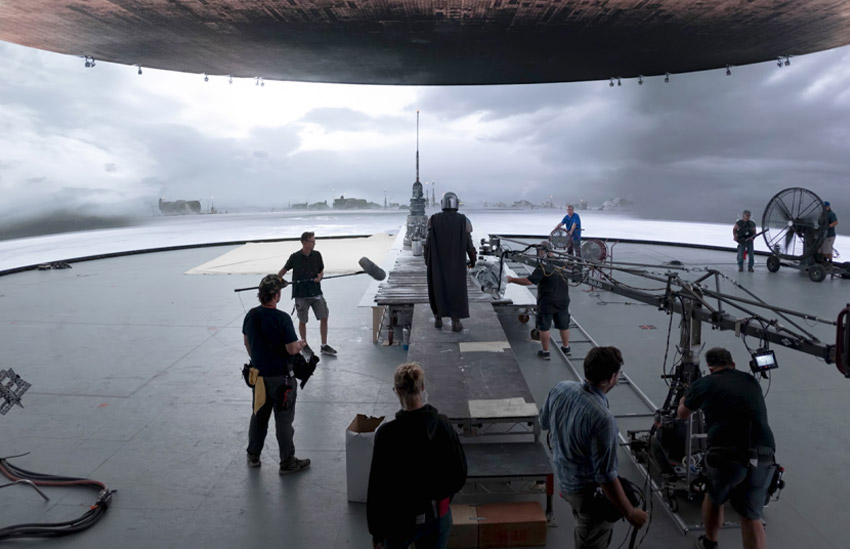

3D scanning of environments takes things to the next level by digitizing entire locations, from small rooms to vast outdoor landscapes. This technique is invaluable for creating virtual sets and backgrounds that can be used in visual effects or virtual production. Here’s how environment scanning enhances filmmaking:
-
Virtual set extensions: By scanning real-world locations, filmmakers can extend sets digitally, creating the illusion of expansive environments without the need for costly physical construction. This is perfect for creating large-scale scenes like battlefields, futuristic cities, or historical reconstructions that would be impossible or impractical to build physically.
-
Scene reconstruction: Scanning allows filmmakers to capture an exact replica of a location, which can then be revisited digitally during post-production. This is particularly useful for re-shoots or adjustments, as it eliminates the need to return to the original location, saving time and money.
-
Lighting and integration: Digitally scanned environments can be integrated with CGI elements and lit in ways that match the mood and aesthetics of the film. This seamless blending of physical and digital worlds helps create a more immersive and visually consistent experience for viewers.
5. Challenges and limitations
While 3D scanning has opened up a world of creative possibilities in filmmaking, it’s not without its challenges and limitations. From technical hurdles to practical issues on set, these obstacles can sometimes complicate the scanning process. Here’s a closer look at the key challenges filmmakers face when working with 3D scanning technology.
High cost of equipment and expertise
3D scanning technology doesn’t come cheap. High-end laser scanners, structured light systems, and photogrammetry rigs can be costly, and operating them often requires a skilled team of specialists. This initial investment can be a barrier for smaller productions or independent filmmakers. Additionally, processing the scan data into usable models can involve extensive post-processing work, which adds time and expense to the production pipeline.
Large data files and storage
3D scans generate massive amounts of data, especially when capturing high-resolution details needed for film. Managing, storing, and processing these large files can strain a production’s resources, requiring powerful computers, advanced software, and plenty of storage space. These heavy data loads can also slow down workflows, making it crucial for teams to have robust systems in place to handle the demands of 3D scanning.
Time-consuming post-processing


Even after a successful scan, the work is far from over. Raw scan data usually requires extensive clean-up to remove unwanted artifacts, fill gaps, and refine the model for use in animation or visual effects. This post-processing stage can be time-consuming and requires skilled artists to ensure the scanned assets look flawless when integrated into a film.
Conclusion

So there you have it! Now you have a better idea of how filmmaking has been transformed by 3D scanning! By digitizing actors, props, and environments, it allows filmmakers to create stunning effects, seamless stunts, and immersive worlds that capture audiences’ imaginations. This technology turns the real world into a digital canvas, making the impossible possible on screen.
Despite challenges like high costs, technical limitations, and the complexity of integration, 3D scanning continues to advance and shape the future of film. As it becomes more accessible, its role in visual storytelling will only grow, empowering creators to bring their boldest ideas to life. Whether you’re an experienced filmmaker or a beginner, 3D scanning is a game changing tool that pushes the boundaries of what’s possible in modern cinema. So, keep an eye on this exciting technology, it’s only getting better from here!
 By
By






