

Body horror explores the boundaries of human flesh, transformation, and mutilation. It’s supposed to make us feel uncomfortable about our own bodies, and it taps into fears of loss of control of our bodily autonomy. Films with body horror usually have some form of:
- Mutation or transformation – characters change physically in disturbing, uncontrollable ways.
- Disease or infection – there might be a virus, a parasite or something else invasive and icky attacking the body.
- Mutilation – disfigurement or destruction of flesh.
- Alienation – the body becomes something unfamiliar in some way.
Body horror from early days to now
As with so many genres (and sub-genres) body horror was greatly influenced by things like literature, theatre, and even mythology! Physical transformations or mutilation were often used to represent punishment or fate.
In the 1920s and ‘30s some films laid the groundwork for horror that explored the grotesque and manipulation of the body. Although they weren’t overtly body horror they certainly had elements of it. Frankenstein (1931) for example is literally the horror of human flesh reassembled and brought to life!


In the 1950s, sci-fi was very popular, mostly due to the Cold War and fears over things like radiation. Films like The Fly (1958) gave us the fear of mutation, and The Incredible Shrinking Man (1957) taps into an existential dread of unknown forces reducing a body to nothing.



Body horror really hit its stride in the 1970s and ‘80s, through directors like David Cronenberg, who became well known for the genre. He made Shivers (1975) and Videodrome (1983) that combined the physically grotesque with an exploration of the mental toll that those changes take on a character. His work sparked the title, king of venereal horror, reflecting growing fears of epidemics like HIV through the “bodily invasion” of disease or infection.


Around the same time, John Carpenter’s The Thing (1982) looked at the terror of an alien parasite that can mimic and mutilate human and animal forms. The practical effects in these films were really great for the time and they brought to life the horror in a way that was uncomfortable to watch.
Practical effects dominated earlier body horror, so the development of better digital technology in the 1990s and 00s meant that body horror could take some new directions.


Japanese cinema was big on body horror, with directors like Takashi Miike and Shinya Tsukamoto delivering unsettling visions of body mutilation and distortion, blending body horror with extreme psychological horror. Films like Tetsuo: The Iron Man (1989) were a blend of cyberpunk aesthetics and body horror, a kind of sub-sub-genre(!) that explored a blend of flesh and machine.
Contemporary body horror films have shifted from the grotesque transformations of the earlier days to slightly more nuanced explorations of things like identity, gender, and technology. Instead of just showing physical changes, these films tend to also look at how external forces (like society) shape who we are, and encourage us to think about how modern life affects our control over our own bodies.


Body horror is currently having a bit of a “moment”, particularly with the recent release of The Substance where an ageing celebrity creates a younger version of herself by injecting a special serum. There are, of course, terrible consequences to this. The film has been criticised for being heavily of the male gaze, and for demonising women’s ageing bodies, but that hasn’t stopped it being a hit with audiences.
Themes in body horror
We’ve touched on them a bit already but let’s have a better look at some of the themes in body horror films.
Loss of control
Body horror exploits the fear we have of losing control over our own bodies, whether that’s through disease, mutation, or invasion (gulp). It could even be a fear of mental deterioration rather than physical too.


If we take The Fly again, but this time the 1986 Cronenberg remake. Seth Brundle’s transformation into a man-fly hybrid (amusingly called the Brundlefly) isn’t just physical, he also descends into madness over what’s happening to him. In the 1958 version there’s slightly less in the way of grotesque body horror, but there are, interestingly, two characters: The man-fly where the main character gets a fly’s head and arm, and a fly-man which is a fly with the head of a man.
Transformation or metamorphosis


Body horror films will quite often show characters turning into something non-human, something horrible (grotesque), or alien, which symbolises deeper anxieties about change, identity, and mortality. The change (or metamorphosis) is usually quite painful and alienating. With Cronenberg as an example again, The Brood (1979) uses a physical manifestation of mental trauma – so repressed rage and trauma take on literal form through a process called psychoplasmics, where creatures grow in sacs on the body and are “birthed,” tapping into another type of body horror.
Disease and decay
The body as a site of disease, infection, or decay is a big body horror theme in film, usually looking at the breakdown of the body as something inevitable and terrifying – a reminder of our mortality! The Thing (1982) sees a group of scientists in the Antarctic come across an alien organism that can infect, assimilate, and then imitate any living thing.
The parasite doesn’t just infect and kill, but actually turns the victim’s bodies into painful, twisted shapes, with some unpredictable mutations! At one point, a severed head sprouts legs and runs away like a spider. The resulting paranoia and mistrust around the characters adds some psychological terror into the mix.
Gender and sexuality


Body horror has increasingly been used to explore gender and sexuality, and particularly the anxieties surrounding bodily autonomy and transformation. A lot of films in the body horror genre are metaphors for societal discomfort with gender fluidity, puberty, or sexual awakening. As an example, Ginger Snaps (2000) uses a werewolf transformation as a metaphor for puberty, menstruation, and female sexuality.
Some top body horror films to check out
1. Eyes Without a Face (1960) - Georges Franju

A story about a brilliant but deranged surgeon who tries to restore his daughter’s damaged face by kidnapping other young women and grafting their skin onto her. There are some gruesome (for their time, anyway) surgical scenes with faces being removed and grafted.
2. Videodrome (1983) – David Cronenberg

Another Cronenberg body horror hit, Videodrome’s protagonist Max Renn gets caught up in a sinister TV broadcast that causes hallucinations and psychical transformation, including developing an organic VHS tape slot in his abdomen. Does that count as cassette futurism? We don’t know, but we love it anyway. The film explores the relationship between media, tech, and the human body.
3. Tetsuo: The Iron Man (1989) – Shinya Tsukamoto
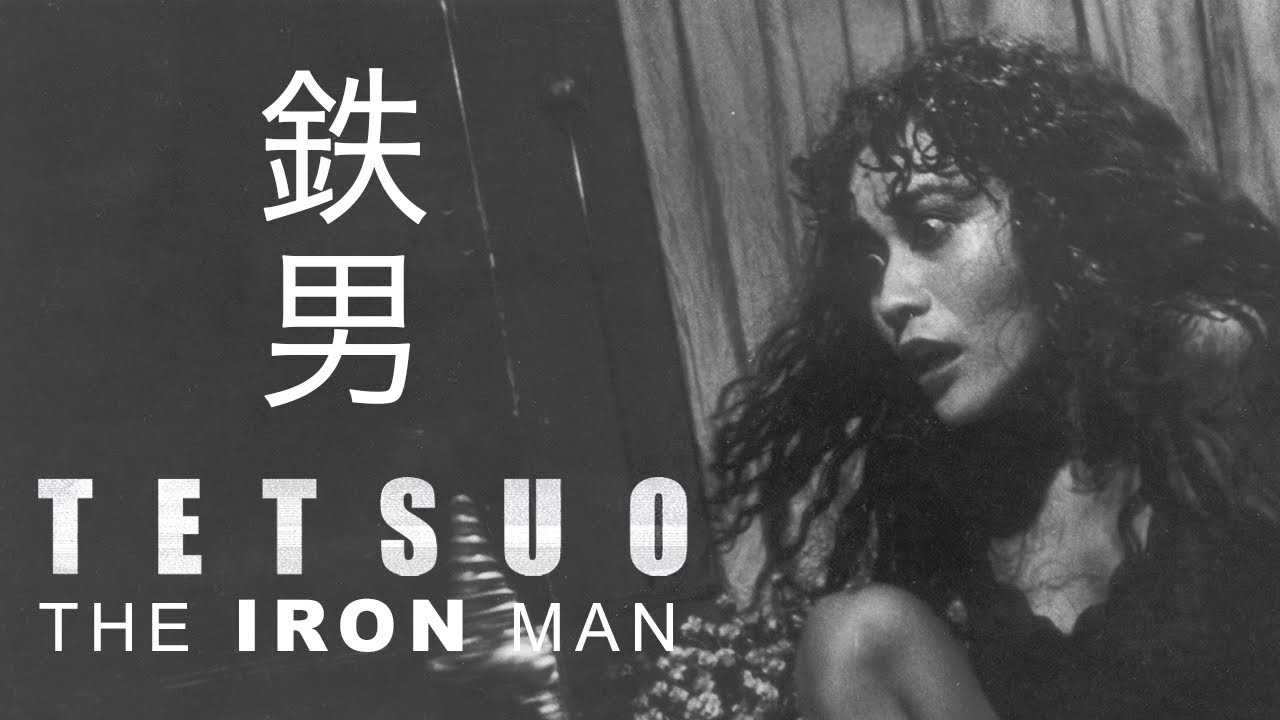
Tetsuo is a cyberpunk body-horror film with the protagonist slowly turning into a human-machine hybrid; a tech version of The Fly if you like. Tsukamoto uses surreal and hyper-stylised visuals, including stop-motion, which gives the whole thing a bit of a fever-dream quality. The focus here is on the loss of bodily autonomy to machinery and the dear of dehumanisation in a society that increasingly relies on technology.
4. In My Skin (2002) - Marina de Van

A French psychological horror, In My Skin is about a woman who becomes obsessed with self-mutilation after a disfiguring accident. It looks at self-inflicted pain in the sense of the body being a site of both pleasure and horror. The protagonist’s increasing obsession with her wounds is shown in graphic, unsettling detail, with a psychological breakdown manifesting physically.
5. Antiviral (2012) - Brandon Cronenberg

No, the name isn’t a coincidence, Brandon is the son of David Cronenberg, and in Antiviral has imagined a future where people pay to be infected with viruses taken from their favourite celebrities. It’s a nice twist on the usual type of body horror film as these diseases are sought after. The film looks at the commodification of disease and the body, and the strange obsession some have to connecting with their favourite stars, no matter the cost.
6. The Untamed (2016) - Amat Escalante

Without going into too much detail, The Untamed is about a mysterious creature with tentacles that sexually interacts with humans but with potential deadly consequences. There’s an exploring of the merging of a human body with an ‘other’ in a way that’s very unsettling, a mix of eroticism and horror.
7. Raw (2016) - Julia Ducournau

This is a French-Belgian body horror film about a vegetarian college student who develops a taste for human flesh! The main character’s sudden craving for meat is a metaphor for sexuality and self-discovery, and the depictions of cannibalism are a way to show the internal struggle with uncontrollable desires.
That’s enough of that
Body horror taps into our primal fears about losing control over ourselves, whether that’s through transformation, disease, decay, or through some alienating experience. We’re forced to confront the fragility of our bodies, and our own mortality, which would be unsettling enough without the added gore that body horror films usually chuck in for good measure. It’s what makes it a great horror sub-genre, and if you’d like to read more about it, here are some useful resources:
More free film theory articles


About this page
This page was written by Marie Gardiner. Marie is a writer, author, and photographer. It was edited by Andrew Blackman. Andrew is a freelance writer and editor, and is a copy editor for Envato Tuts+.
 By
By






