

Welcome to the rhythmic heart of music: Beats Per Minute (BPM)! Imagine walking through a lively city, your footsteps syncing with the pulsating rhythm of your favorite song, or picture a DJ seamlessly blending tracks, making a crowd move as one. At the core of these experiences is BPM, the invisible conductor guiding the tempo of our musical journeys.


In this beats per minute music guide, we’ll be diving deep into the subject to truly understand what is the BPM and how beats per minute in song writing works. Whether you’re a budding musician, an aspiring DJ, a curious dancer, or simply a music enthusiast eager to learn more about the inner workings of your favorite tunes, you’re in the right place.


Understanding the BPM of a song is more than just counting beats; it’s about harnessing this knowledge to enhance your music creation, selection, and enjoyment. So, buckle up and let’s get started on this beat-filled journey together!
1. Understanding BPM in Music
What is the BPM of a Song



So what is the BPM? At its core, Beats Per Minute (BPM) measures how many beats occur in a minute, serving as the heartbeat of any musical piece. It’s what makes some songs perfect for a high-energy workout and others suited for a calm evening at home.
The higher the song BPM, the faster the song will be. But BPM’s significance stretches far beyond just setting the pace; it’s the foundation upon which music is built, influencing genre, mood, and even a physical response from us when we listen to it.
The Pulse of Music


Think of BPM as the musical pulse, similar to how your heartbeat increases with excitement or calms with relaxation. A high song BPM (say, 120-160 BPM) will typically energize and excite, driving fast-paced dances and upbeat workouts.
Conversely, a lower song BPM (around 60-90 BPM) often induces relaxation, suitable for slow dances or soothing meditations. This variability is why understanding BPM can deeply enrich your musical experience, allowing you to select and create music that perfectly aligns with your intended atmosphere or activity.
Counting the BPM of a Song


Identifying the BPM of a song might sound daunting, but it’s quite straightforward. You can tap your foot, nod your head, or use a metronome to find the beat. Once you’ve locked onto the rhythm, counting how many beats occur in a minute (or in a shorter timeframe and then extrapolating) reveals the song’s BPM. This practice not only improves your rhythmic ear but also enhances your ability to curate playlists, mix tracks, or even compose music with the desired emotional impact and energy level.
Now, how do we measure these beats in practice? Here are a few methods:
- Metronome: The classic tool for musicians. By adjusting a metronome and playing along, you can determine the BPM of a piece based on the settings that match its pace.
- Tap Tempo: Many digital tools and apps allow you to tap along with a song’s beat, calculating the BPM based on the speed of your taps. This method is intuitive and accessible for anyone trying to figure out song tempos on the go.
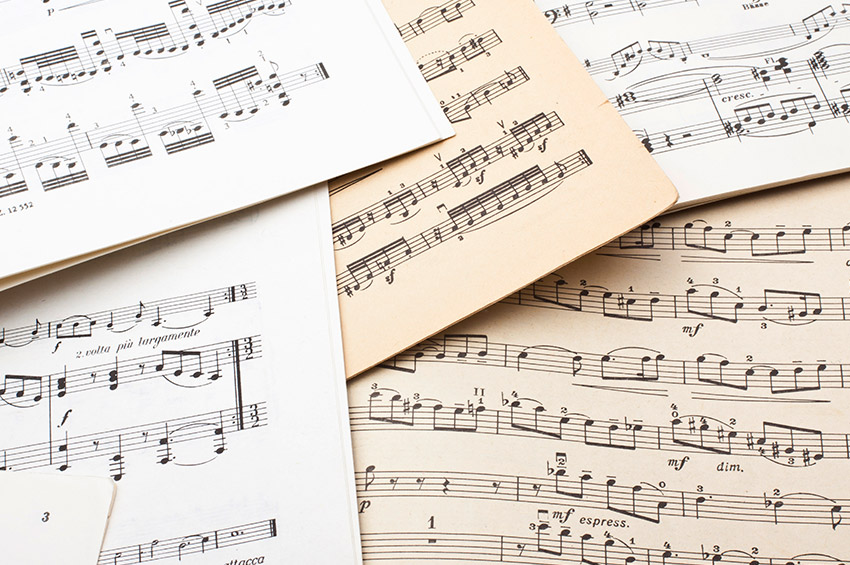
- Sheet Music: For those reading music, tempo indications (like the terms above) are often provided at the beginning of a piece, giving a general BPM range. For more precise timing, musicians rely on metronome marks, a modern notation that directly states the BPM, often seen as a note value equals a specific number (e.g., ♩= 120).
The Emotional Landscape


Understanding the BPM of a song goes beyond the technical; it’s about feeling. The tempo of a piece can directly affect our emotions, making our hearts race with excitement or soothing us into a tranquil state. Music therapists often leverage BPM to evoke specific responses, showcasing the profound connection between BPM and our emotional well-being.
2. How to Use BPM in Music
In the realm of music, tempo markings are traditionally indicated in Italian, and these terms describe not just the speed but the character of the music. Here’s a quick guide to understanding these tempo markings, along with their approximate BPM ranges:
- Largo: This is the musical equivalent of a leisurely stroll, deeply serene and dignified, typically within 40-60 BPM. Below is a preview example called Romantic Jazz at 55 BPM (download the full version from Envato Elements).
- Larghetto: Slightly quicker than Largo, Larghetto offers a warm embrace, moving at 60-66 BPM. Below is a preview example called Relaxing Corporate at 65 BPM (download the full version from Envato Elements).
- Adagio: Evoking a gentle, meandering flow, Adagio tempos range from 66-76 BPM, perfect for expressive, emotional parts of music. Below is a preview example called Sad at 73 BPM (download the full version from Envato Elements).
- Andante: Like a calm, steady walk, Andante keeps the pace relaxed yet flowing, with tempos between 76-108 BPM. Below is a preview example called Hip Hop at 93 BPM (download the full version from Envato Elements).
- Moderato: Striking a balance, Moderato marches at a moderate speed of 108-120 BPM, offering a sense of well-measured movement. Below is a preview example called Funny at 120 BPM (download the full version from Envato Elements).
- Allegro: Life gets lively at Allegro, with a brisk and cheerful pace of 120-168 BPM that invites you to dance. Below is a preview example called Funny Quirky Retro at 166 BPM (download the full version from Envato Elements).
- Presto: Fast, faster, and exhilarating, Presto speeds through at 168-200 BPM, a whirlwind of energy and excitement. Below is a preview example called Inspiring Fun Kids Theme at 200 BPM (download the full version from Envato Elements).
- Prestissimo: At the pinnacle of speed, Prestissimo dazzles with tempos above 200 BPM, where notes seem to fly in a thrilling rush. Below is a preview example called Circus at 220 BPM (download the full version from Envato Elements).
3. Song BPM Across Genres
The tempo of a song, measured in BPM, is like the pulse of its genre, giving each its unique flavor and feel. From the slow sway of a blues track to the rapid-fire beats of drum and bass, BPM helps define the character of music across the spectrum. Let’s explore how song BPM varies across different genres and what that means for the music we love.
Blues
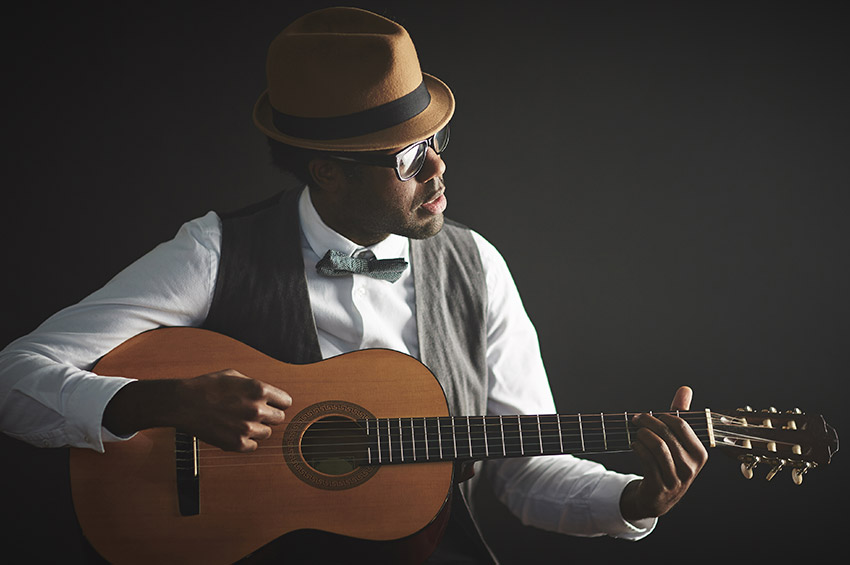


- Typical BPM Range: 60-90 BPM
- Characteristics: With its laid-back groove, blues music often operates within this slower BPM range, emphasizing emotion and expression over speed.
- Example: B.B. King’s "The Thrill Is Gone" showcases the genre’s signature tempo, allowing each note to resonate with feeling.
Country


- Typical BPM Range: 80-120 BPM
- Characteristics: Country music balances storytelling with a tempo that can range from the reflective to the upbeat, making it versatile and widely appealing.
- Example: Johnny Cash’s "Ring of Fire" sits comfortably in this range, providing a steady rhythm that supports its memorable melody.
Hip-Hop


- Typical BPM Range: 80-110 BPM
- Characteristics: Hip-hop often uses moderate tempos to support complex lyrical flows and beats, providing a solid foundation for rapping.
- Example: Tupac Shakur’s "California Love" exemplifies hip-hop’s rhythmic backdrop, allowing for expressive vocal performances.
Jazz

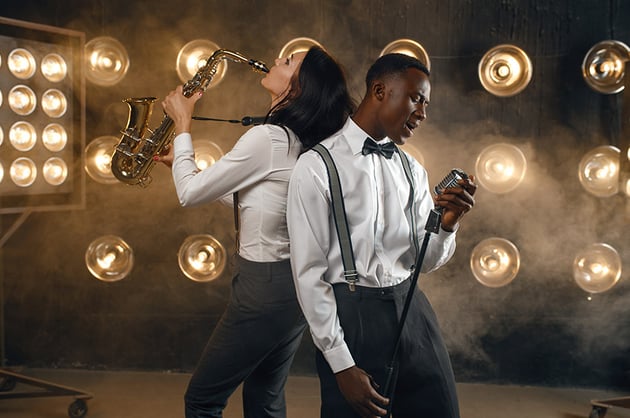

- Typical BPM Range: 120-150 BPM
- Characteristics: Jazz tempos can vary widely, but this range captures the genre’s propensity for lively, improvisational playfulness as well as its smoother, more laid-back moments.
- Example: Miles Davis’ "So What" demonstrates jazz’s ability to explore complex rhythms and tempos, offering listeners a dynamic experience.
EDM (Electronic Dance Music)
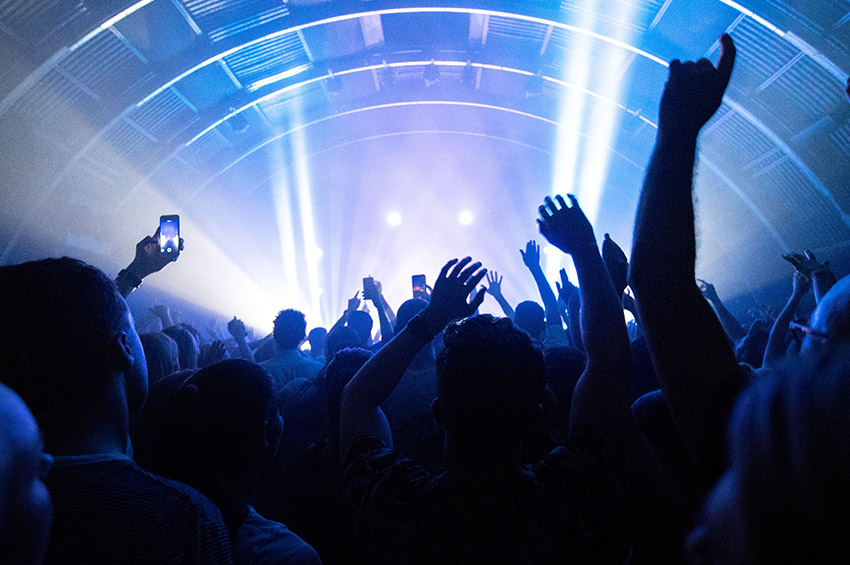


- Typical BPM Range: 120-150 BPM
- Characteristics: Designed to get people moving, EDM features higher BPMs that drive the energetic and often euphoric atmosphere of dance floors.
- Example: Avicii’s "Levels" captures the invigorating spirit of EDM with a tempo that’s impossible not to move to.
Rock


- Typical BPM Range: 110-140 BPM
- Characteristics: Rock music’s BPM range supports its dynamic shifts from powerful ballads to high-energy anthems, offering a broad emotional spectrum.
- Example: Queen’s "Don’t Stop Me Now" propels listeners with its brisk tempo, epitomizing rock’s energetic potential.
Classical
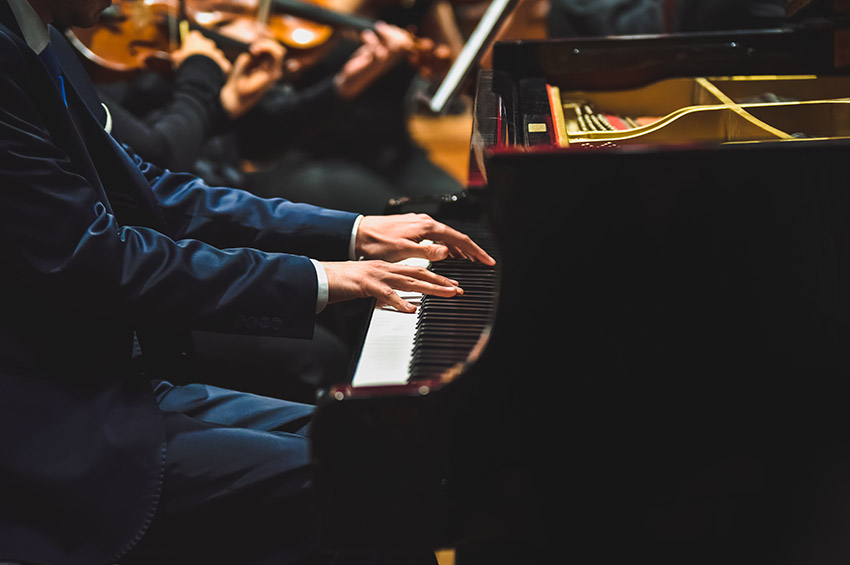

- Typical BPM Range: Varies Widely
- Characteristics: Classical music defies a single BPM range, with compositions that can move from the stately adagio to the frenetic allegro, reflecting a vast array of emotions and narratives.
- Example: Ludwig van Beethoven’s "Moonlight Sonata" begins with a slow adagio sostenuto before moving into more brisk movements, showcasing classical music’s diversity in tempo.
Reggae


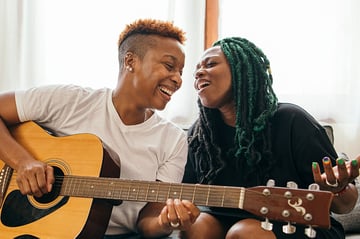
- Typical BPM Range: 60-90 BPM
- Characteristics: Reggae’s laid-back rhythms and offbeat accents thrive in this slower BPM range, emphasizing its chill, relaxed vibe.
- Example: Bob Marley’s "No Woman, No Cry" is a quintessential reggae track, with a tempo that’s as soothing as its melody.
Each genre’s typical BPM range helps carve its niche in the musical landscape, influencing everything from dance styles to emotional impact. Understanding these tempo ranges not only enhances our appreciation of music but also aids in selecting the right tracks for any mood or occasion, whether you’re curating a playlist or diving into music production.
4. Applying BPM in Music Composition and Performance


So now that we understand what is the BPM and how beats per minute relates to song, let’s dive into how beats per minute in song writing can be creatively applied in composing music and enhancing live performances.
Composition: Crafting the Emotional Landscape
In composition, BPM is the canvas on which musicians paint their emotional landscapes. It sets the groundwork for the pace of the melody, the intensity of the rhythms, and the overall energy of the piece. Composers choose a BPM that aligns with the emotional message they wish to convey. Here’s how BPM can influence composition:
- Mood Setting: A slower BPM can evoke feelings of melancholy or tranquility, making it ideal for ballads or soft, reflective pieces. In contrast, a faster BPM can inject excitement, happiness, or tension, perfect for dance tracks or intense cinematic scores.
- Genre Consideration: Each musical genre has its typical BPM range that composers adhere to in order to meet genre expectations. For instance, composing a country song might involve setting the BPM within the 80-120 range, while techno tracks usually exceed 120 BPM.
- Dynamic Transitions: Changing the BPM within a piece can lead to dramatic effect, guiding the listener through an emotional journey. A gradual increase in BPM can build suspense or excitement, while a sudden decrease can create a moment of reflection or surprise.
Performance: Connecting with the Audience


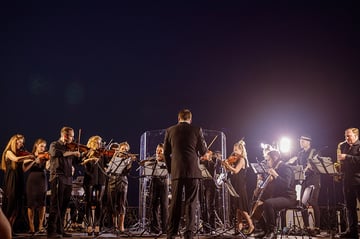
For performers, BPM is not just a number—it’s the heartbeat that connects them to their audience. Whether playing live or recording, artists use BPM to ensure their performance delivers the intended emotional impact and keeps the audience engaged.
- Consistency and Practice: Knowing the BPM of a piece allows musicians to practice with a metronome, ensuring their timing is consistent and precise. This consistency is key to delivering a polished and professional performance.
- Audience Engagement: In live performances, artists may adjust the BPM slightly to match the energy of their audience. A slightly faster BPM can elevate the crowd’s energy, while a slower one can create intimate, shared moments.
- Collaboration: For bands and ensembles, a shared understanding of the BPM ensures tight synchronization among members. It’s essential for coordinating tempo changes and maintaining a cohesive sound, especially in genres requiring precise timing, like jazz or classical.
Real-world Application
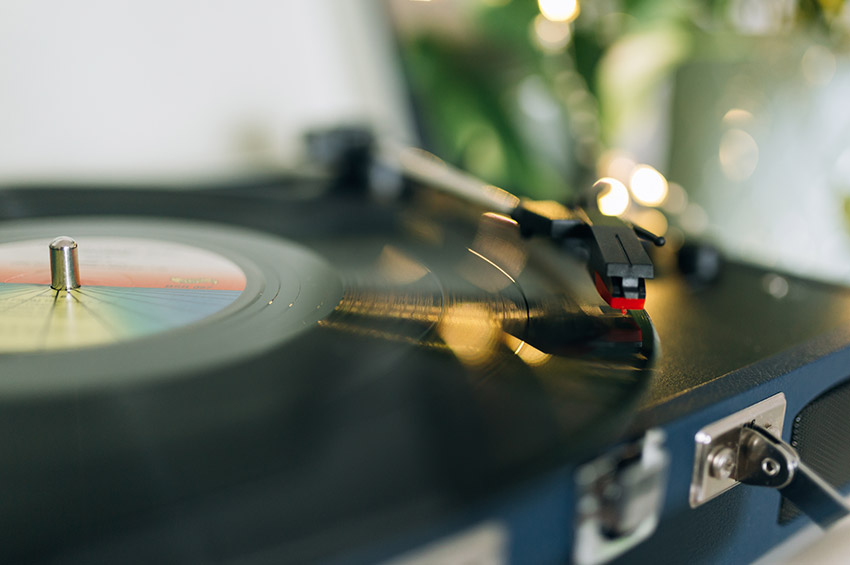

A great example of BPM application in music composition is in film scoring, where composers use tempo changes to align with on-screen action, heightening emotions or creating tension. In performance, DJs are masters of BPM manipulation, seamlessly transitioning between tracks of different tempos to keep the dance floor moving. Here are some real-world examples of beats per minute music application:
1) Songwriting
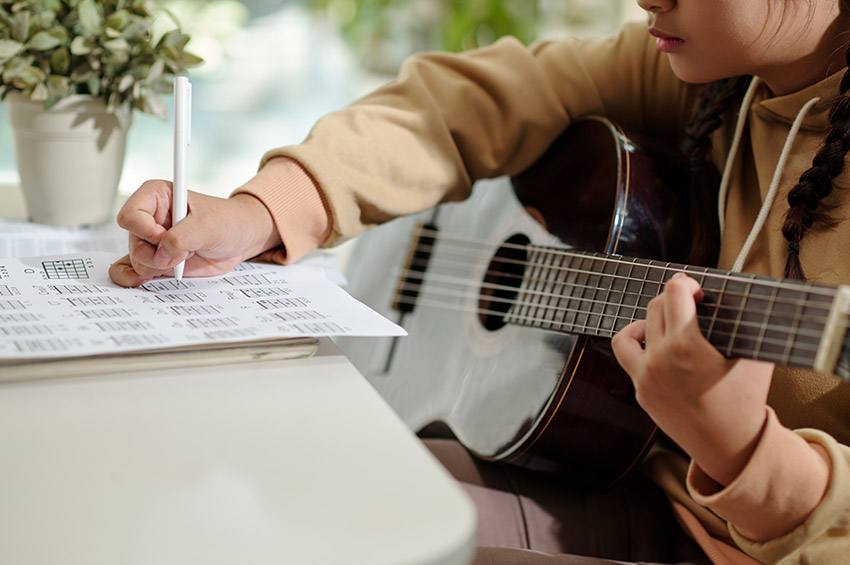


With beats per minute in song writing, composers select the BPM of the song as one of the first decisions. This initial choice is pivotal because it sets the tone and pace for everything that follows.
Artists often experiment with different BPMs to find the perfect tempo that resonates with the story they want to tell or the emotions they aim to evoke in their listeners. This process is a blend of art and science, requiring a deep understanding of how tempo impacts the listener’s psychological and emotional state.
2) DJing and Live Performances



For DJs, BPM is more than just a number—it’s the backbone of their craft. In the world of DJing and live performances, understanding and manipulating BPM is essential for beatmatching and creating seamless transitions between tracks.
DJs uses beats per minute in music to maintain a consistent energy on the dance floor, carefully selecting songs that align tempo-wise to ensure a smooth flow. This skill allows them to guide the audience’s mood, building up to climactic moments or winding down to more relaxed vibes.
3) Film Scoring


Beats per minute in song writing for films introduces another fascinating application of BPM, where composers use tempo to match the pacing of visual elements on screen. In this context, BPM helps to synchronize music with the narrative flow, enhancing the storytelling with emotional depth and dynamic tension.
A slow, measured BPM might accompany a poignant scene, drawing viewers deeper into the emotional undercurrents, while a rapid tempo could heighten the excitement during a chase sequence. Composers often adjust BPMs throughout a score to mirror the film’s evolving moods and action, creating a cohesive auditory experience that complements the visual storytelling.
Envato Elements Premium Offer (Design With Unlimited Use)



So now that you are more familiar with beats per minute in music and understand beats per minute in song writing, why not sign up for Envato Elements and you get access to thousands of unlimited use graphics and templates. Get great web themes, Stock Music, and more—all for one low price.



That’s right! Download as many stock images and videos as you want, then customize them to create your own video or audio project.
Conclusion: The Heartbeat of Music
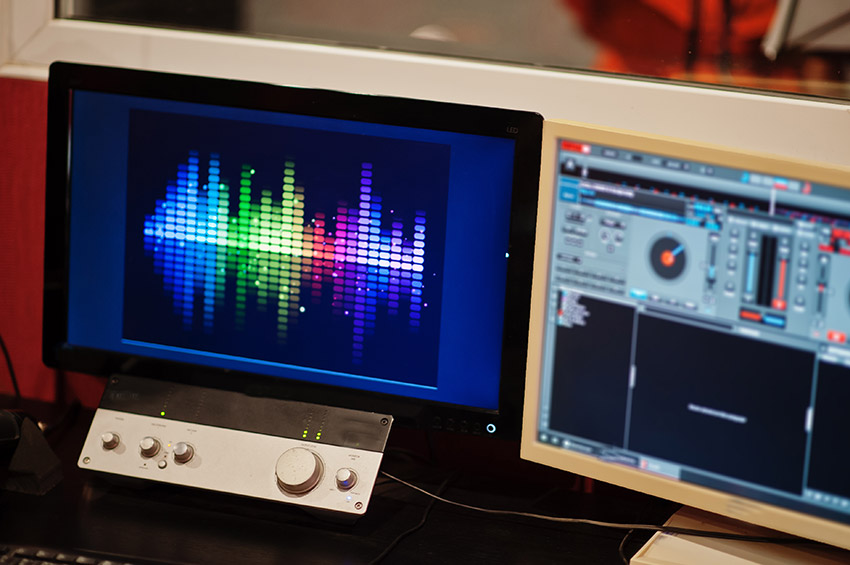
So, we’ve danced through the beats per minute (BPM) world, learned what beats per minute in music is and defined what is the bpm. From its nitty-gritty in song crafting to its heartbeat in live jams. Understanding BPM is essential for anyone involved in music, whether you’re a budding songwriter, a seasoned DJ, a meticulous music producer, or a film score composer.
For listeners, becoming attuned to the BPM of songs can enrich the listening experience, offering new insights into the music’s emotional depth and the artist’s intent.
In a nutshell, BPM makes the music world go round. It’s the invisible hand guiding every beat, drop, and emotional high in our musical journey. So, crank up your favorite beat, feel its pulse, and let the BPM lead the way to your next musical adventure.
 By
By






