

Silence in cinema is a deliberate choice, not just the absence of noise. With a bit of careful planning, silence can arouse some deep emotional responses, create tension, or highlight important parts of the narrative.
As I'm sure you know, once upon a time all films were silent. From the late 19th century to the 1920s, there was no sound at all in films, and if the filmmaker wanted any, it had to be live accompanying sound performed in time with the projection, either in the form of acting or live music. These films relied a lot on inter-titles to explain what was going on.
In this case, silence was more of a technical limitation than an artistic choice, but it wasn’t long before filmmakers started to see it as a potential tool. They understood that moments of quiet could shift the audience’s focus towards particular visual elements.


With the ‘talkies’ in the late 1920s, including films like The Jazz Singer (1927) that synchronised sound with moving images, cinema really changed. With that change, though, silence took on a more pronounced narrative role, as now there was contrast! Directors realised that silence could be just as effective as dialogue or music.


Hitchcock made silence an important part of the suspense in Blackmail (1929), particularly in one scene where the sound gradually fades away as the protagonist gets overwhelmed by guilt after committing a murder. Through the mid-20th century, this experimentation with silence continued, particularly in the horror and thriller genres, where the lack of sound could help to create a sense of impending doom!


In the latter half of the 20th century and into the early 21st, there was far more in the way of choice when it came to silence, and not so much having to worry about the technological limitations. Silence was used to underline isolation, heighten realism, and create moments of reflection. Stanley Kubrick was big on unsettling the audience by using silence in his films. In 2001: A Space Odyssey (1968), Strauss’s musical piece Blue Danube is juxtaposed with the silence of space to create an almost supernatural sense of the void. Kubrick used silence to heighten the idea of isolation in space, showing how cold and indifferent a ‘scape it can seem.
In contemporary cinema, silence is usually a tool to create tension, allow for introspection, or heighten the atmosphere of a scene. Films like No Country for Old Men (2007) and A Quiet Place (2018) show how the lack of sound can shape the cinematic experience.
How silence works as a narrative tool
Silence as tension
One of the most effective uses of silence in film is to build tension. We see it time and again in thrillers, horror films, and dramas: moments of quiet before intense action or maybe a revelation. By stripping the film of sound, the filmmaker creates a sense of anxiety, and without any music to guide emotional responses, we’re left to wonder what’s going to happen next, and it all feels very uncertain or tense!


There are lots of examples of this, but a great one is the coin-toss scene in No Country for Old Men (2007). The Coen Brothers use silence to ratchet up the tension between the characters. The quiet between the dialogue, with barely any background noise, increases the viewer's discomfort while they wait for the outcome.
Silence as reflection
Either for the characters or the audience, silence can mean a moment of reflection. In films that tackle tough themes or emotional depth, quiet can let us process what just happened.


Terrence Malick's films, like The Tree of Life (2011), fairly frequently include long sequences where there’s no dialogue or soundtrack, and this technique is designed to draw attention to the inner lives of the characters. Natural sounds in the environment—like wind blowing through trees and water flowing—are more obvious and make a link between the characters and the world around them. Here, silence isn’t an absence of sound as much as it’s inviting us to listen to the more subtle sounds around us.
Silence as isolation


We know sound can be alienating, and this is particularly effective in films that focus on characters who are either physically or emotionally isolated. Silence can show us that there’s no human connection, like in Her (2013), where Spike Jonze uses silence to show that the protagonist is lonely in a world full of digital connection, but without any meaningful human interaction. The quietness of the scenes reinforces that emotional distance between the characters and an insincere, digitised world.
Silence as a power dynamic


Silence in film can be a tool to communicate power dynamics between characters. That could be dominance or submission, with the quiet being used to manipulate a situation. The opening scene of Inglourious Basterds (2009) has some long stretches of quietness, which is supposed to intensify the threatening atmosphere of Christoph Waltz’s character questioning a French farmer. The gaps between questions become unbearably tense!
Silence as a contrast to sound


Contrasts almost always work nicely, don’t they, and sound and silence are no different. By contrasting a noisy scene with one of total silence, filmmakers can shock or unsettle the audience. Sometimes it’s a bit like emotional whiplash, catching us unaware and increasing the impact of important events. Requiem for a Dream (2000) has a cacophony of sound and quick cuts in chaotic scenes, and then moments of total silence—an experience that reflects the highs and lows of the characters.
7 great examples of silence in film
1. A Quiet Place (2018) by John Krasinski
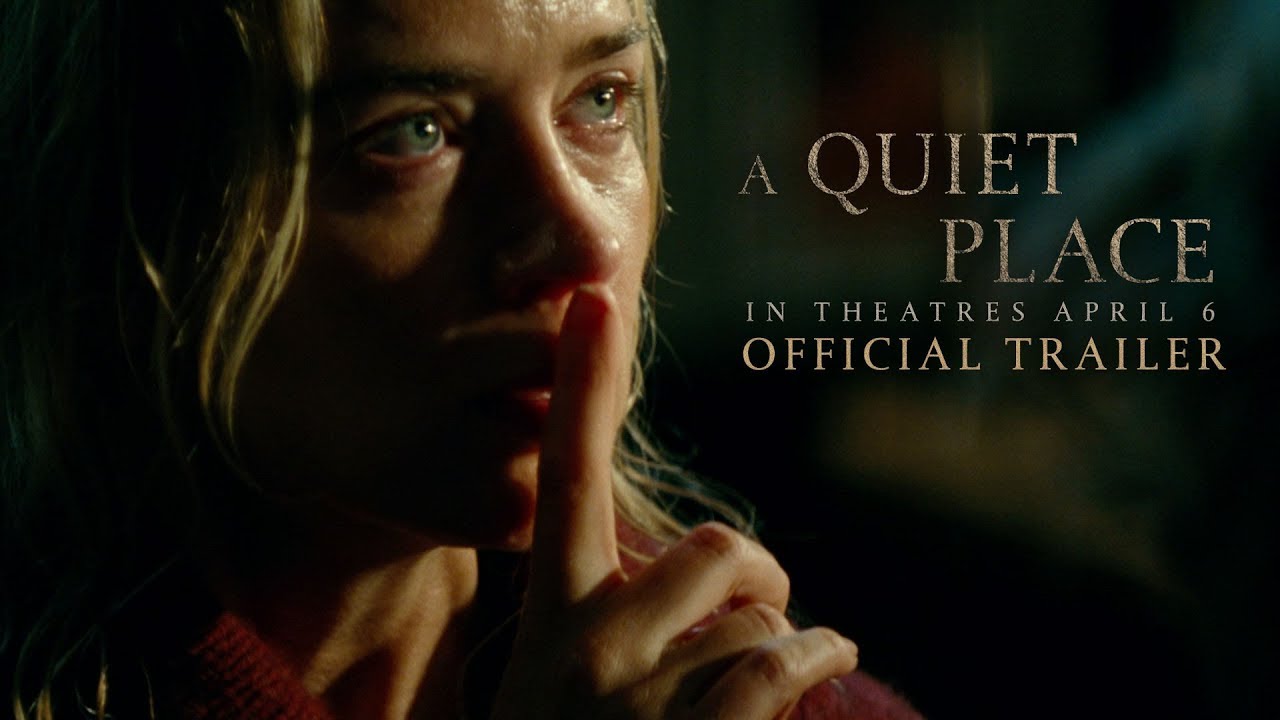
A Quiet Place is a great premise for a film because sound isn’t just a stylistic choice—it’s survival! This is a world where blind monsters hunt humans based on sound, so the characters need to stay as quiet as possible. There’s hardly any dialogue, and we end up fixating on the tiniest of sounds, like the floor creaking—it’s constant tension through the whole film. The part where one of the characters stands on a nail is particularly awful (brilliant).
2. 2001: A Space Odyssey (1968) by Stanley Kubrick
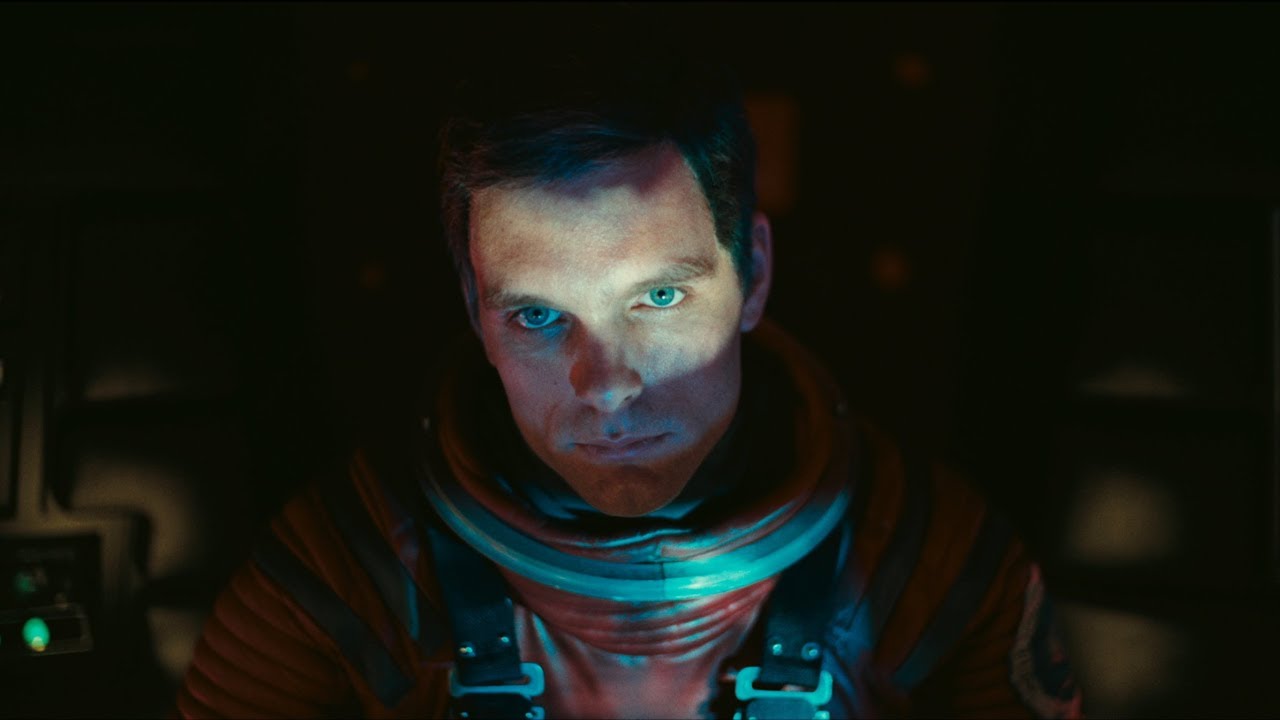
We’ve mentioned this already, but 2001 uses silence to capture the coldness and isolation of space. It isn’t just isolation, though—we’re supposed to reflect on humanity’s smallness in comparison to the universe, as well as our relationship with technology and the potential issues around artificial intelligence, which seem even more relevant today! Every sound choice seems to be different from what we're expecting, like when the ship docks and you expect sound effects but instead get either silence or classical music.
3. No Country for Old Men (2007) by Joel and Ethan Coen

Silence in No Country obviously builds up the suspense and tension, but it’s also a reflection of existential themes, violence, and the randomness of fate. The silence reflects the lack of any higher moral force guiding the characters—in the lack of sound between dialogue, the brutality feels inevitable.
"In the novel, Cormac McCarthy refuses to tell you what people are thinking and just describes what people are doing. That can make for really engrossing movie making." — Ethan Coen in Variety.
4. The Artist (2011) by Michel Hazanavicius

The Artist is an homage to silent cinema, so you’d expect a lot of quiet in it! Of course, this isn’t a technological limitation as it was in the actual era, so the stylistic choices have to be more purposeful… and they are. Hazanavicius’s use of silence reflects George’s internal crisis as he grapples with the shift from silent films to ‘talkies’—it demonstrates George's growing irrelevance in an industry that doesn’t value him any more. The film builds to George finally speaking in the final scene, which ends up feeling quite bittersweet.
5. There Will Be Blood (2007) by Paul Thomas Anderson
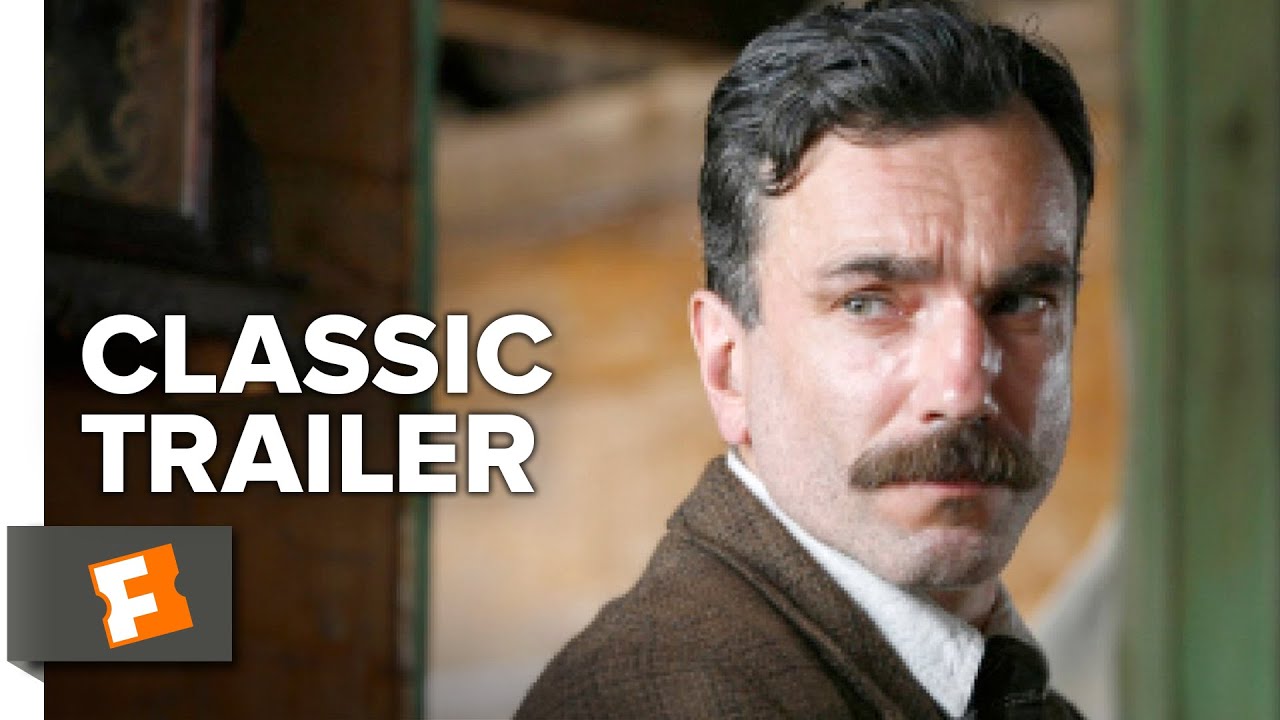
Silence fits the obsessive, pensive character of Daniel Plainview well as he’s isolated, empty, and intense—it makes his outbursts of violence or speech cut through even harder. There’s no dialogue for nearly 15 minutes in the opening sequence, and we see how disconnected from humanity he is, driven by wealth and power.
6. Her (2013) by Spike Jonze
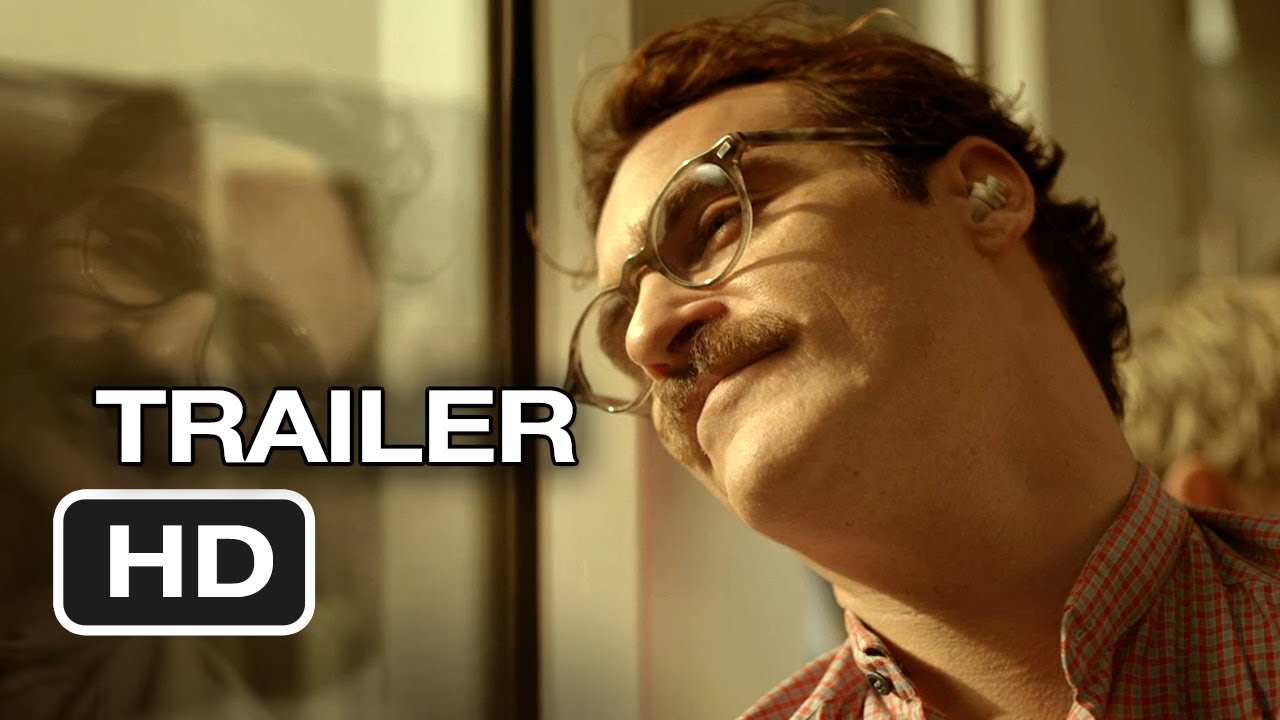
We’re surrounded by digital connections, and in that sense we’re very rarely alone, even if that’s not always true physically. In Her, the silence is a contrast to that ever-present noise of the digital world. The protagonist, Theodore, has a life filled with these artificial sounds, like the hum of equipment and the buzz of the city around him. Quiet moments in the film highlight his sense of loss after his marriage and his longing for a real, human connection, particularly as he starts to realise the limitations of his relationship with Samantha.
7. Children of Men (2006) by Alfonso Cuarón
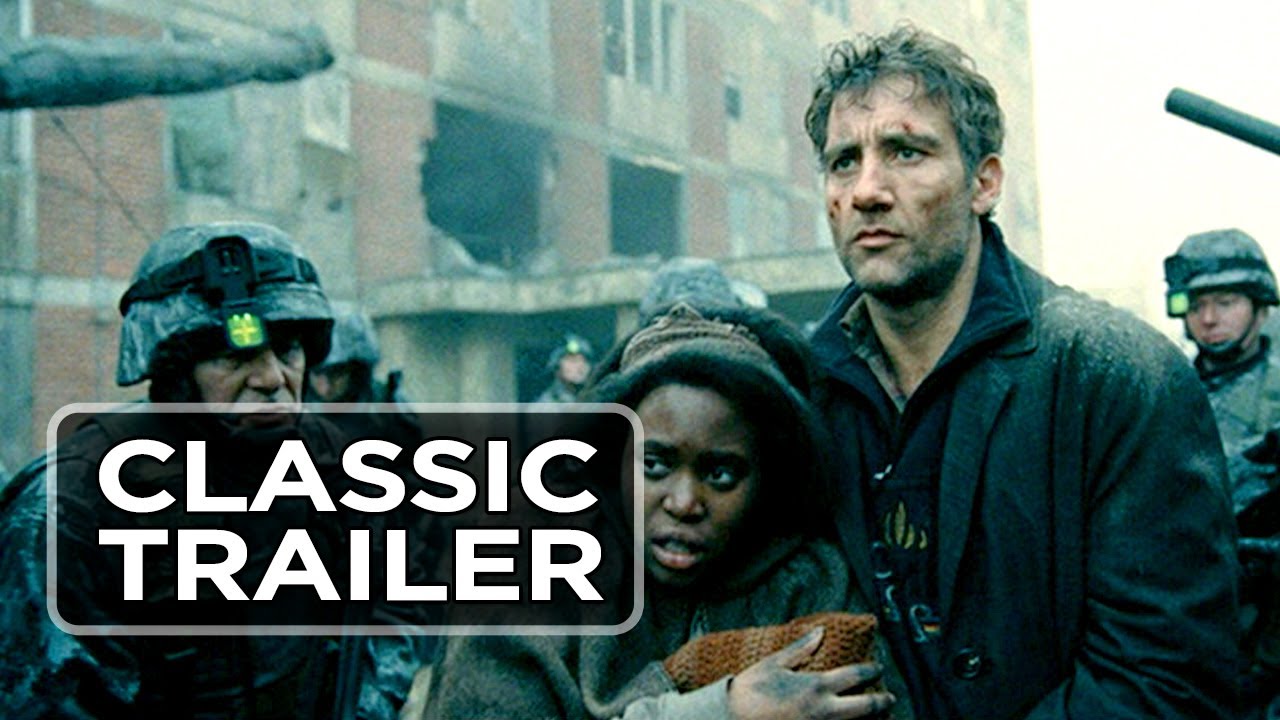
Long, uncut takes in Children of Men make the film feel more real, and the lack of music and minimal sound effects contribute to this too. Cuarón uses silence to show the desensitisation and numbness of the characters living in a dystopian world which is full of noise and chaos, and so makes the contrast with the quiet all the greater. There’s one part where Kee gives birth in a refugee camp, and despite the chaos of the surrounding battle, everyone goes quiet when they hear the cries of the baby, which gives the scene a lot of gravity.
Conclusion
Finding the right sound in film is an art, but so is the use of silence! Total quiet can communicate emotions and themes in ways that sound can’t; it builds tension, gives us moments of reflection, conveys isolation, and even shifts power dynamics between characters. Understanding how and why silence works can open up new ways to appreciate the stories that films can tell.
If you’d like to learn more about silence in films, then check out these great articles and sites:
- FilmSound
- When film breathes: Topographies of silence and not-quite-sound
- Understanding the importance of silence in filmmaking
- Investigating the making of cinematic silence
- The new silent era: how films turned the volume down
More free film theory articles


 What is mise-en-scène? Visual storytelling in cinema


 What are experimental films?


 Types of Gaze in Film: Perspectives and Power Dynamics


 What is Feminist Film Theory? A Beginner’s Guide
About this page
This page was written by Marie Gardiner. Marie is a writer, author, and photographer. It was edited by Andrew Blackman. Andrew is a freelance writer and editor, and is a copy editor for Envato Tuts+.
 By
By






