

Realism in film, TV, and video is all about reflecting the complexities of life... holding a mirror up to humanity. But what is it exactly and how does it show up in different ways on our screens? In this article, we'll take a look at how realism plays out in movies and on TV, from how characters are portrayed, to the impact on storytelling. We'll see how it all got started in the early days of film, too!
What is Realism in Film, TV, and Video?
Understanding Realism
What is Realism?
Realism in film, TV, and video strives to represent life, characters, settings, and events as authentically as possible. Instead of spectacle or melodrama, it focuses instead on the complexities and nuances of everyday experience. Think unfiltered conversations, awkward pauses, messy situations, and characters struggling with genuine challenges.
You might also have seen realism described as cinematic realism, naturalism, or ‘slice of life’.
What is Formalism?
Hang on, weren’t we talking about realism? Well, yes, we were, but to understand cinematic realism, it helps to also understand its thematic ‘opposite,’ formalism. Formalism focuses on technical and aesthetic elements above all else. You might think of it as looking at the how instead the what; the artier aspects if you like. Things like a carefully constructed shot or the emotional impact of sound. Formalism treats film as an expressive art form in its own right, using lighting, camerawork, editing, and sound to create a visual and sensory experience. Occasionally that can even come at the expense of a clear narrative!
What is Realism? A Short History of Realism in Movies
Realism didn’t pop up overnight, and its evolution has been affected by all sorts of things, from technological advancements, social shifts, and artistic styles. Realism existed in other art forms like painting and theatre, but let’s have a look at how it began on screen along with some realism in film examples.
Realism in Movies: Early Days (1895-1930s)
The Lumières

It all began with the Lumière brothers, though the exact year is a little disputed. Their short films captured everyday moments and their very first, was Workers Leaving the Lumière Factory.
D.W. Griffith
Griffith used storytelling and emotional manipulation to explore social issues and historical narratives. He’s considered to have lead the way in many aspects of film-making including realism. If you’re a film student or buff, you’ve likely heard of his film The Birth of a Nation which although praised for its technical skill, contains racist depictions of Black Americans.
Realism in Movies: Mid-Century
Italian Neorealism

Post-Second-World-War, Italy had a film movement based on stories of the poor and the working class. Mostly these are filmed in natural settings and depict ordinary people - quite often not even using professional actors. Examples include The Bicycle Thief (sometimes Bicycle Thieves) and Rome, Open City.
French New Wave
Although French New Wave is considered an art film movement, it was heavily influenced by films from the Italian neorealist movement. Jean-Luc Godard's À Bout De Souffle (Out of Breath, or Breathless) in 1960, embraced jump cuts and handheld camerawork, with the main characters based on real people.
Late 20th Century
Social Realism

Realism spread and tackled many social issues and injustices. Directors like Ken Loach focused on working-class struggles. Kes (based on a novel, A Kestrel for a Knave) in 1969 is a semi-autobiographical look at life in a coal mining community in Barnsley, and used authentic Yorkshire dialect, with the actors all hired from the local area.
Documentaries
If we mentioned realism and documentary then you’d probably say, ‘well yeah, of course’ but Michael Moore, with films like Bowling for Columbine in 2002, made this form of film making appeal to a wider audience. The film explores the facts of the Columbine high school massacre in 1999 but uses this to explore wider themes like the nature of violence in the US.
Realism in Movies: Advances of Technology - Present Day
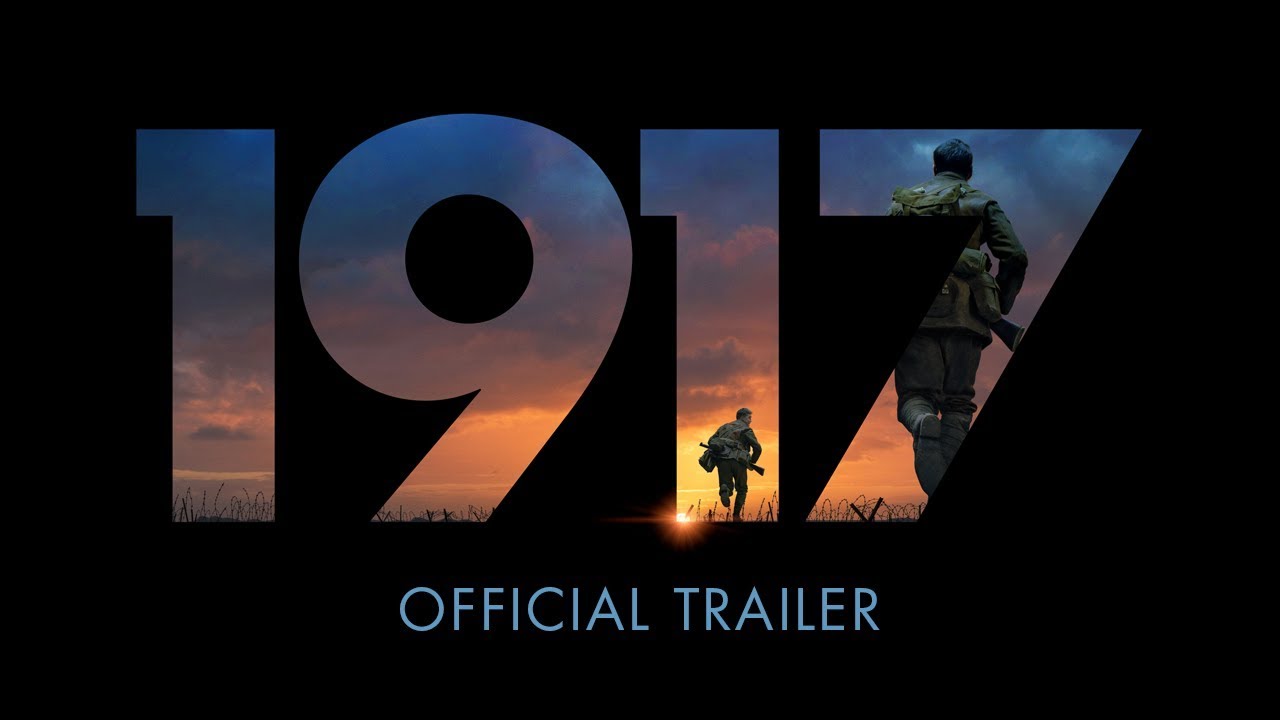
There’s no doubt that the evolution and improvement of cameras, editing software, and even distribution platforms have helped realism in film and TV come on leaps and bounds.
The hyper-realism of cinematic masterpieces like Christopher Nolan’s Dunkirk, and the ‘one shot’ or ‘one take’ style of 1917 looked at realistic events in new ways. Although ‘one shot’ itself isn’t new (Hitchcock used it in Rope which is one of the earliest examples) 1917 used heavy action and fast-paced scene changes to take it further.
Blurring Fiction and Reality
TV shows like Black Mirror and films like Parasite seek to satirise and critique our contemporary world, creating a nuanced interplay between real and imagined scenarios. Both of these examples sit between classic genres like horror, comedy, sci-fi dystopia, and realism. This can create an uncomfortable feeling somewhere between ‘wow I’m enjoying this as a form of escapism’ and ‘oh no, this could actually happen’. Cue existential crises.
Types of Realism in Film, TV, and Video
We know that realism has a goal of authenticity, but that can be done a variety of ways. We’ve covered some of these already, but here they are in a more focused way, with examples!
Social Realism

Portraying the lives and struggles of individuals within specific social contexts, often highlighting issues of poverty, inequality, and marginalisation. Pretty much all of Ken Loach’s films do this – we mentioned one of them, Kes, earlier. Some British films in this genre are known as ‘Kitchen Sink’ – usually focusing on domestic settings and social problems in working class environments.
Psychological Realism

Explores the workings of the human mind, depicting characters' thoughts, emotions, and motivations with raw honesty. Eternal Sunshine of the Spotless Mind and Inception are examples of films that look at the complexities of the human psyche.
Historical Realism
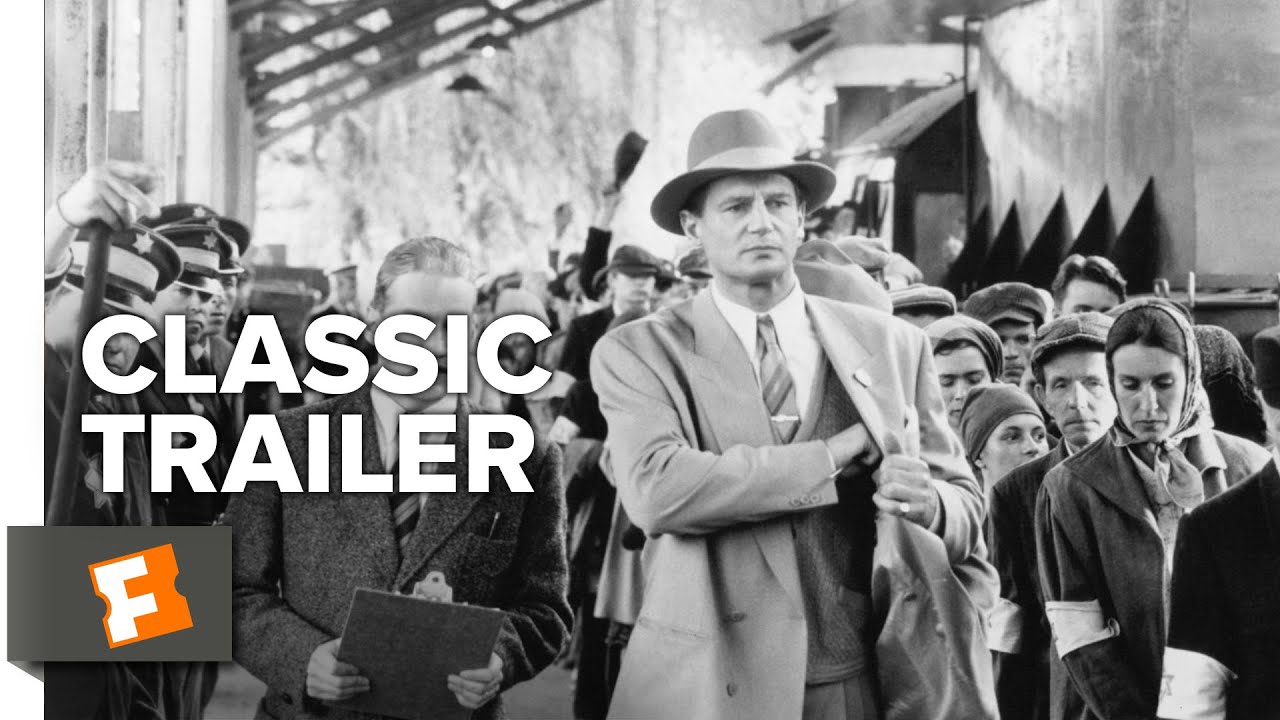
Aims to recreate historical events and figures with attention to detail, Schindler's List and Dunkirk are good examples, striving for accuracy but with elements of fiction in their narratives.
Documentary Realism

Documenting real-life events and people, often blurring the lines between participant and observer. Michael Moore's Bowling for Columbine and Morgan Spurlock's Super Size Me are examples. A subgenre of this is Cinéma vérité or ‘truthful cinema’, sometimes called observational cinema. It features more subtle ‘fly on the wall’ style of filming and improvised interactions.
What is Realism in Film? Continued...
Cinematic Realism: What is the Point of Realism?


We might understand what realism is and how to spot it, but what’s the point of it, what are the goals of using realism?
- Empathy and Connection - By portraying relatable characters and situations, realism tries to evoke empathy and understanding in the audience, fostering a sense of connection with the on-screen world.
- Social Commentary and Critique - Many realist films and documentaries tackle social issues and injustices, prompting viewers to reflect on societal problems and consider potential solutions.
- Psychological Exploration - By looking closely at the inner lives of characters, realism can offer insights into our emotions, motivations, and the complexities of, well, being human!
- Subverting Expectations and Challenging Conventions - Challenging traditional narrative structures and breaking cinematic stereotypes can push the boundaries of storytelling and encourage us to explore different ways of doing things.
Techniques and Styles Used in Realism


If you’d like to try adding realism to your own film or TV production, then here are some ways you can do that.
Improvisation
It’s a bit of a gamble but if you’re working with good actors and you trust them, you could try letting them improvise scenes. It can feel very realistic when done right, but beware the line that crosses into amateur and awkward.
Long Takes and Minimal Editing
Long takes with few cuts can immerse your viewer and create a sense of ‘real-time’. This method can build tension and increase emotional impact. You might also use this to get a deeper insight into a character, thought processes unfolding, shifts in emotions etc. Conversely this technique can also become boring or lose focus, so use it wisely.
Handheld Camerawork and Intimate Framing
Shaky camera movements and close-ups creates a sense of immediacy and breaks down the barrier between viewer and character. Too much of it can be really annoying though!
Minimal Music and Sound Design
Natural sounds and diegetic noises (sounds originating from within the scene) immerses the audience in the environment and avoids any melodrama that might undermine the realism. The 1999 film, The Blair Witch Project used natural sounds and dialogue to help build tension.
Focus on Small Details
Highlighting the ‘lesser’, everyday moments and routines of life adds depth and relatability to characters and narrative. Very specific details can help with ‘world building’ – transporting your audience to your desired time or place.
Moral Ambiguity and Complex Characters
We don’t always need to root for the perfect hero. Giving your characters flaws and conflicting motivations helps reflect the complexities of human behaviour. Think of the character arc of Walter White in Breaking Bad for example.
Cinematic Realism: How Can I Do it?
1. Casting Real People
Choosing non-professional actors or featuring interactions with everyday people can give a story an organic, unscripted feel. Documentaries featuring ‘ordinary’ people sometimes do this, or films like "I, Daniel Blake" with its cast of non-actors.
2. Shooting in Real Locations
Real-world settings rather than constructed sets can add a layer of believability and immediacy to the narrative – not to mention it’s often cheaper!
3. Natural Dialogue and Performances
This sort of ties in with point one, but prioritising conversational flow and emotional nuances over theatrical monologues and exaggerated displays makes it more real. If you’ve seen The Walking Dead, you might think it went off the boil when its characters started to give seemingly unending monologues episode after episode.
Envato Elements
Whether you’re an aspiring film-maker or a seasoned camera pro, Envato Elements has lots to offer you. Check out the thousands of video resources for creators and download and use as much as you like for one monthly subscription.


Every month there are free files for you to use, too. So check them out and see if you can grab a bargain!
What is Realism in Film? Conclusion
The important thing to remember is that realism isn’t confined to specific genres or even to certain techniques. As we’ve seen, dramas and documentaries do lend themselves to this approach, but anything can incorporate elements of realism. Even films and shows that are primarily sci-fi, fantasy, or horror can use realism, it’s all about the choices you make when filming, casting, scripting, designing a soundscape… if in doubt, run it through your mind, ‘could this actually happen… would someone really say this’ and if the answer is yes, go for it. If in doubt, leave it out! And be cautious with technical choices like long takes and shaky camera shots… too much can have the opposite effect and become annoying, or boring. Make sure every decision is one that’s benefitting the visuals, the story, or the filmed piece over-all.
More Free Film Articles
If you liked this article, you should check out some of our other free articles and tutorials to help you learn more about film-making!

 What is B Roll Video Footage? Definition + Guide for 2024


 What was the First Music Video Ever? A Brief History


 What is 4K & UHD Video Resolution? Complete Guide for 2024

 What is Video Production? Meaning, Phases, & Types
About This Page
This page was written by Marie Gardiner. Marie is a writer, author, and photographer. It was edited by Gonzalo Angulo. Gonzalo is an editor, writer and illustrator.
 By
By






