

In this article, we take a look at auteur theory, how it started, what it means, and some examples of how directors shape their films.
What Is Auteur Theory: Definitions
What Does Auteur Mean?
Auteur is the French word for author, but in the context of film theory, it usually refers to the person considered to be the main creative ‘force’ behind a film, and that’s the director.
What Does Auteur Theory Mean?
If we know that the director is the ‘auteur’ when it comes to film, then auteur theory is how they give a movie a unique vision or style. Usually, when a director has films, you can usually see a distinctive ‘style’ emerge that’s recognisably theirs.
What Is Auteur Theory in Film? History & Development


Who Created Auteur Theory? French Film Criticism
The idea of auterism started in the 1940s in French film criticism, though it wasn’t actually called auterism yet! French film critics Alexandre Astruc and André Bazin were essential in the movement, Astruc believed that directors were akin to writers, but with a camera rather than a pen. Bazin was a subscriber to the theory of Personalism which is a complicated philosophy but boils down to an emphasis on the individual and what makes them unique.
It’s easy to see how both of these perspectives support the idea that the director controls the creative shape of the film, even though there are many people involved in its production. In 1955, film maker, actor, and critic François Truffaut called these ideas policy of the authors.
Who Created Auteur Theory? Andrew Sarris and Author Theory
Andrew Sarris was born in the US in 1928, moved to Paris for a year as a young man where he became friends with François Truffaut, and upon moving back to the States, ultimately pursued a career in film criticism. Sarris coined the term auteur theory in an essay called Notes on the Auteur Theory, building on the ideas we’ve just looked at.
In 1968 he wrote a book that talked about the greatest American film directors and their pivotal role in the films they made. This book was a huge success and this is why Sarris is generally considered to be the one who created auteur theory as we understand it today.
Author Theory in Film: A Quick Look


Distinctive Style
Auteurs usually have a unique visual and narrative style through their films, and this could be recurring themes, camera techniques, storytelling approaches, and so on.
Personal Vision
Like a lot of creative people, directors use their personal experiences, world-view, politics, aspirations etc in their work, so each one can be a nod to them as individuals, just as Bazin theorised!
Consistent Themes
Auteurs often explore recurring themes or ideas across their films that help distinguish them from other directors.
Authorial Control
Auteurs influence everything from casting and cinematography to editing and soundtrack choices, all of their creative decisions help shape the film as a whole.
Why Is Auteur Theory Important?
Auteur theory can give us a better appreciation of the stylistic choices and themes explored by a film’s director. By recognising the role of the director as ‘author’ then we stop thinking of those roles as technicians (pointing a camera and shooting!) and start to think of them more as the same kind of art as literature or painting. It also helps audiences engage more critically with films and develop a nuanced understanding of how cinema has evolved to a particular point. When we learn about film directors who are considered auteurs – we’ll give you some examples next – then we can start to recognise recurring themes, particular style choices, and so on, which offers a lot of insights into the director’s progression as an artist.
Auteur Theory in Classic Cinema
Alfred Hitchcock

Alfred Hitchcock is probably one of the first names someone might say if they were asked about auteur theory. He’s got a very distinct style that usually revolved around complicated plots, psychological tension and innovative cinematic techniques. Psycho (1960) and Vertigo (1958) are two well-documented examples of auteur theory in film. Hitchcock is also, of course, famous for his cameo appearances in his own films.
Recurring Techniques and Themes in Hitchcock’s Films
- Use of Soviet montage, and the Kuleshov technique to create an unsettling effect and add to that psychological tension we mentioned,
- Use of off-camera sound effects
- Hitchcock would use lighter cameras so that could move them around more easily and create point-of-view shots.
Orson Welles

Citizen Kane (1941) was not only directed by Welles, but he produced it and acted in it too! The critics loved it but it didn’t do well in theatres initially, until André Bazin (see, it’s all linked isn’t it…) and other French critics caused it to be re-released in 1956 after heaping praise on it. Welles took on a lot of themes that look at the complexity of human nature, things like power, corruption, and identity. Because of this, he often faced issues with studio bosses who didn’t share his vision.
Recurring Techniques and Themes in Welles’ Films
- A hands on approach, taking on multiple roles in the process of making a film.
- Deep focus cinematography to keep the background and foreground in focus.
- A dramatic use of light and shadow (sometimes called chiaroscuro lighting) to create a sense of mystery!
(Ernst) Ingmar Bergman
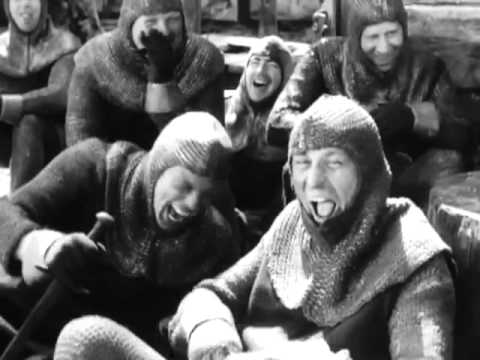
Bergman was a Swedish filmmaker who was well known for exploring existential themes and complex characters in a similar way to Hitchcock and Welles, though he had a very distinct stark and intimate visual style. The Seventh Seal (1957) is set in medieval Sweden during the Black Death and explores mortality and the meaning of life, among other themes.
Recurring Techniques and Themes in Bergman's Films
- Use of a consistent, sombre tone
- Collaboration – Bergman often worked with the same actors and crew members, which helped create a sense of authorship and continuity.
- Innovative story-telling techniques like dream sequences and non-linear narratives.
Auteur Theory in Contemporary Films
(Elizabeth) Jane Campion
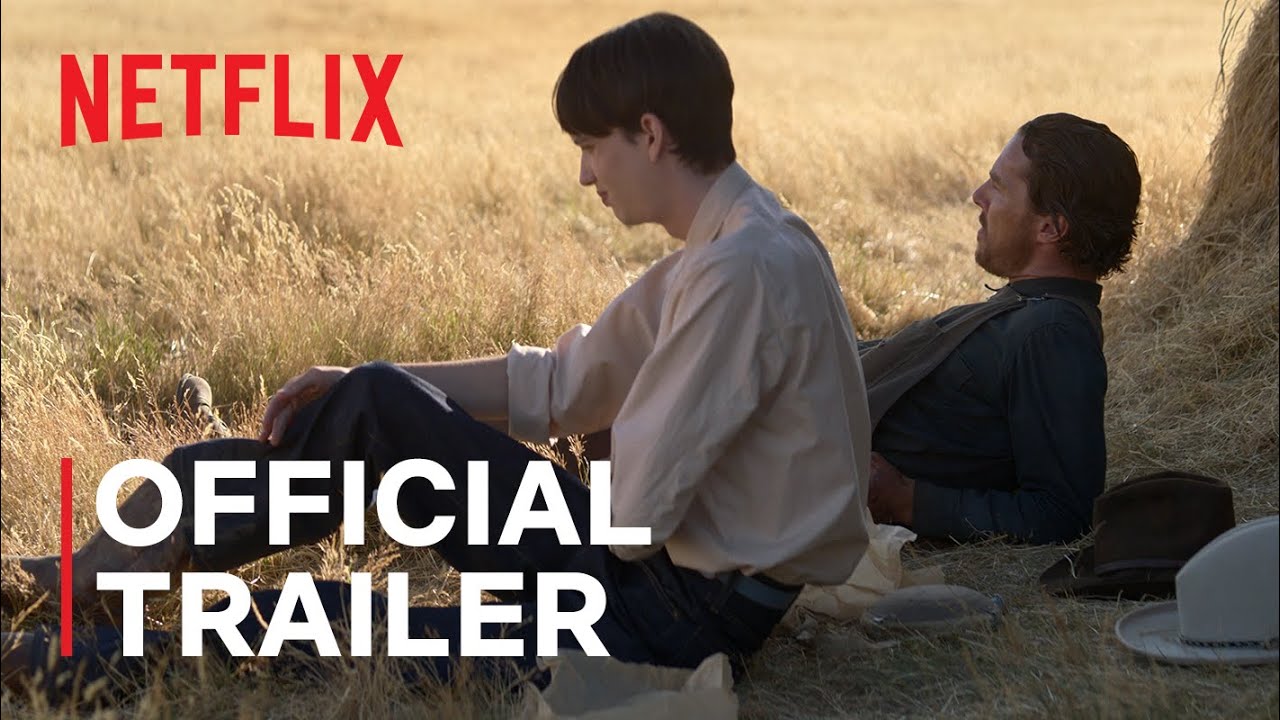
Jane Campion is a screenwriter, producer, and director from New Zealand. Like the other auteurs, Campion has a lot of distinctive aspects to her filmmaking that make her films recognisably ‘hers’, but the most prominent of these is probably her commitment to complex female characters and their experience on screen. In The Power of the Dog (2021), one of Campion’s more recent films, you can see the visual aesthetic that’s distinctly ‘hers’ in the stunning cinematography that shows the landscape of Montana off in a way that sets the tone for the film.
Recurring Techniques and Themes in Campion’s Films
- Subverting traditional narrative structures to embrace ambiguity
- A focus on female characters and issues like femininity, sexuality, and societal expectations.
- A visual aesthetic that combines stunning cinematography and symbolism.
Martin Scorsese

Martin Scorsese's films have an energy that reflects his exploration of moral complexities. Films like Taxi Driver (1976) look at themes of violence and redemption, often set against a gritty urban backdrop. As well as a pretty distinctive visual style with long takes and elaborate sequences, he’s also known for a creative use of musical montage and sound to heighten emotional impact.
Recurring Techniques and Themes in Scorsese’s Films
- Includes homages and references to classic cinema.
- Iconic songs and musical montages that are a huge part of the storytelling and atmosphere of the films.
- Depicting the ‘hidden’ or criminal underbelly of a city in a way that’s both intense and authentic.
Quentin Tarantino
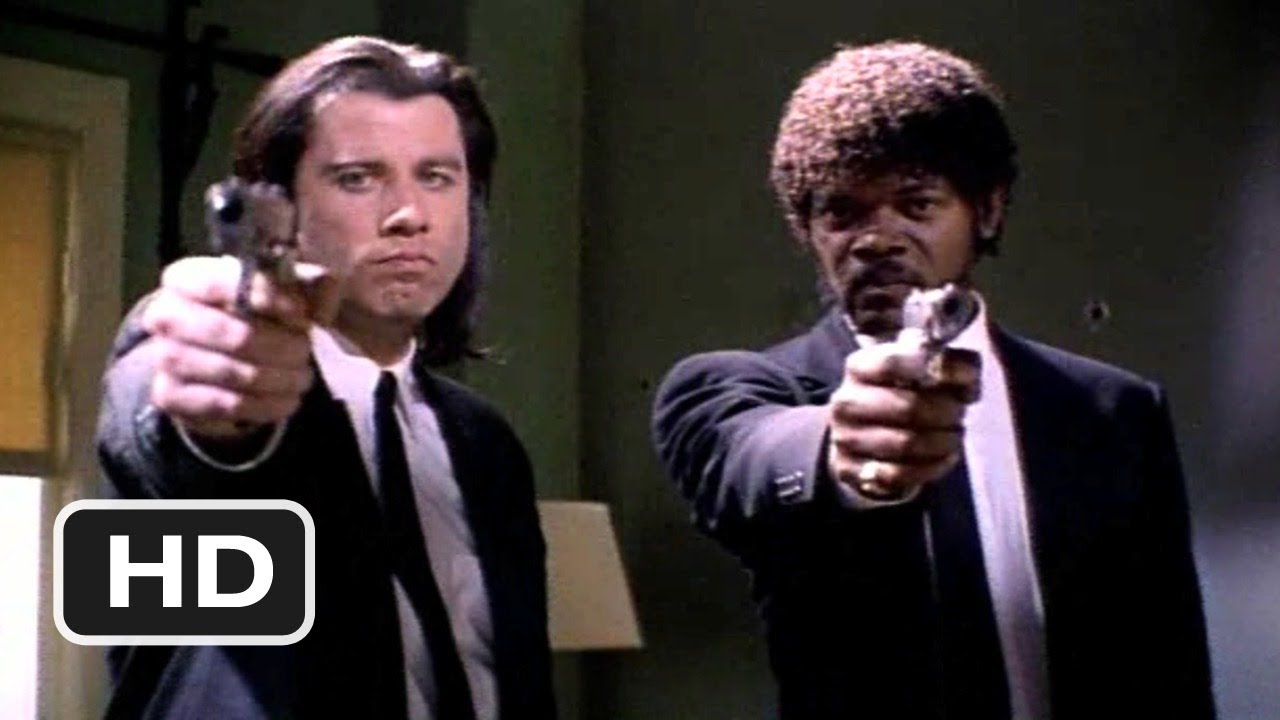
Tarantino's directorial style is very distinctive, so much so that his films were easy to recognise even when he still had comparatively few, including Pulp Fiction (1994) and Kill Bill (Volumes 1, 2003 and 2, 2004). He’s a big fan of homage (like Scorsese) but he combines that with his own innovations including razor sharp dialogue, non-linear storytelling, and a visual flair that is very… him.
Recurring Techniques and Themes in Tarantino’s Films
- Violence as a narrative device, the exaggerated style of which has sometimes been controversial.
- Autobiographical elements that reflect his own interests in cinema, music, and culture.
- Colourful characters whose interactions drive the narrative forward.
- Iconic soundtracks – music is a crucial part of Tarantino’s movies.
How to Become an Auteur


Now you know a little about the history of auteur theory and directors that are considered auteurs, let’s take a look at how you can develop your own distinct style when it comes to filmmaking.
1. Study Film History and Theory
I know, I know, it sounds so boring to have to study, but some of the best directors use what they’ve learned through study, either in a very practical sense by learning from the greats, or to be able to give nods to cinematic techniques of other auteurs that then becomes part of their style too. The great news is that part of studying film means you get to watch a lot of movies!
2. Brush Up on Your Technical Skills
To be able to direct well you need to understand how the various parts of production work, including camera operation, framing, lighting, and editing. Luckily, we’ve got you covered with tons of free video tutorials, so why not subscribe to our YouTube channel and get started.
3. Build Relationships
Work with people who are really good at what they do and who share your vision and values. This might be actors, cinematographers, editors… you get the idea. Aim for an environment where everyone’s ideas are considered and valued.
4. Experiment
We often learn best by doing, so don’t wait until you’re perfect at everything before you get started. Practice shooting short films, experiment with sound, and start developing your characters. Don’t force any particular style, just do what you love and your ‘auteurship’ will start to come through.
Conclusion: The Limitations of Auteur Theory
It’s probably worth mentioning that there are criticisms over the idea of auteur theory and that it has a tendency to romanticise directors as solitary geniuses rather than working in often large teams of other talented, creative people. Directors like Tarantino, and the Coen Brothers try to challenge traditional notions of authorship by using pastiche and intertextuality and then blurring the lines between those and originality until it creates something new but still familiar.
This article has focused a lot on Hollywood film makers because most of us will be familiar with these films and directors, but true auteur theory has to take into account cultural differences in ‘universal’ themes, and also how film making might differ across various geographical boundaries but still, ultimately, still be recognised as authorship.
Envato Elements
If you’re branching into film making and evolving your own style, then why not check out Envato Elements, where you can find tons of useful tools for making movies, like stock video, video templates, and much more. Once you’re subscribed you can download and use as much as you like!


Every month, you’ll find free files too, so see if you can grab yourself a bargain.
Learn More About Film

 What is the Kuleshov Effect? +How to Use It With Examples


 10 Rules for Better Shot Composition Framing in Photography and Film

 What is Realism in Film, TV, and Video?
About This Page
This page was written by Marie Gardiner. Marie is a writer, author, and photographer. It was edited by Andrew Blackman. Andrew is a freelance writer and editor, and is a copy editor for Envato Tuts+.
 By
By






