

- Overview
- Transcript
4.2 Subject and Environment
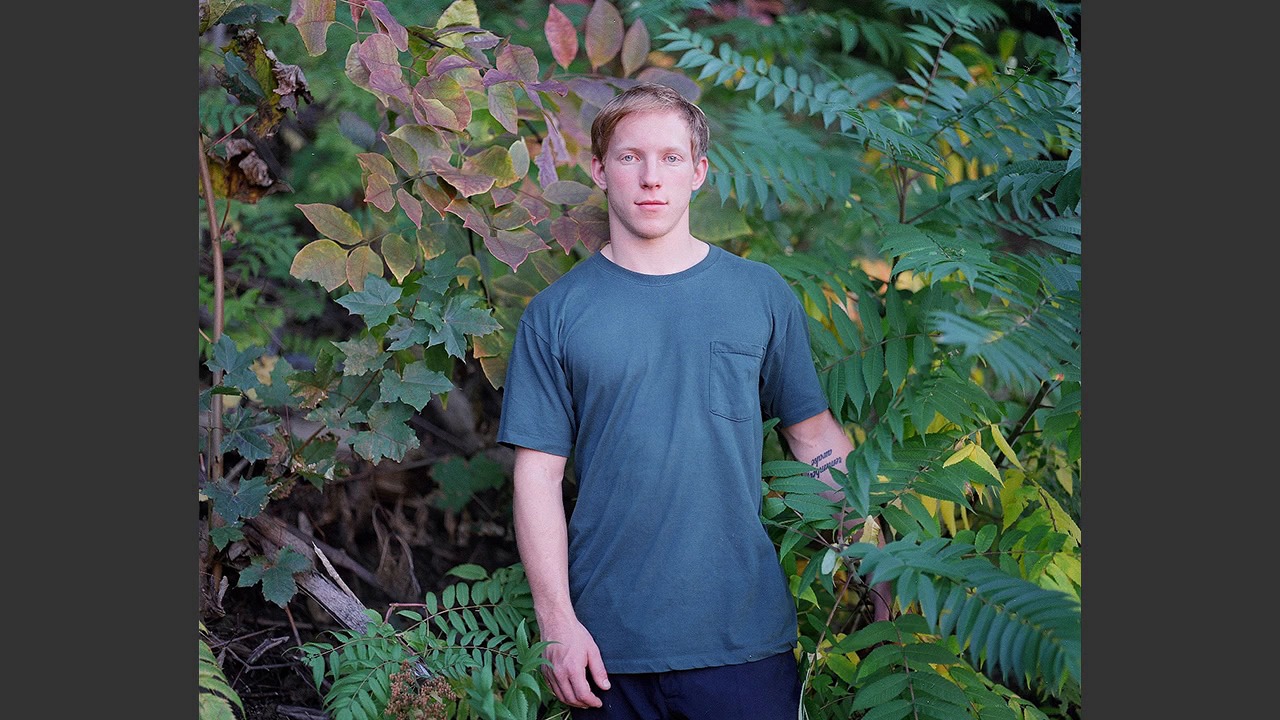
Character is hard to define, but it's part of what you're looking for in both your subject and the environment. Most of all, look for light: the light will amplify the character of your environment and the subject.
1.Consolidate and Import
1.1Introduction01:05
1.1
Introduction
01:05
1.2What You Need01:00
1.2
What You Need
01:00
1.3Camera Settings05:23
1.3
Camera Settings
05:23
1.4Scouting the Location03:23
1.4
Scouting the Location
03:23
1.5The First Location07:52
1.5
The First Location
07:52
2.Controlled Environments
2.1Texture07:33
2.1
Texture
07:33
2.2Pattern05:43
2.2
Pattern
05:43
2.3Structure03:01
2.3
Structure
03:01
3.Uncontrolled Environments
3.1Natural, But Composed03:30
3.1
Natural, But Composed
03:30
3.2Full Sun07:32
3.2
Full Sun
07:32
3.3Dappled Light05:28
3.3
Dappled Light
05:28
3.4Open Shade01:27
3.4
Open Shade
01:27
3.5Off the Beaten Path09:17
3.5
Off the Beaten Path
09:17
4.Portrait Philosophy
4.1Respect02:32
4.1
Respect
02:32
4.2Subject and Environment04:45
4.2
Subject and Environment
04:45
4.3Silent Communion05:08
4.3
Silent Communion
05:08
4.4Borrowed Time01:58
4.4
Borrowed Time
01:58





