
From the incredible imaginations of sci-fi movie directors to the impactful stills of photographers like Joel Grimes, composite imaging is used for making the impossible look plausible. In most implementations, it has a look, a captivating, ethereally futuristic, effortlessly cool look. Most of this is down to the use of HDR backgrounds and atmospheric effects. But what about capturing the image to begin with? For that, we need two (or more) plates.
Posts in this series
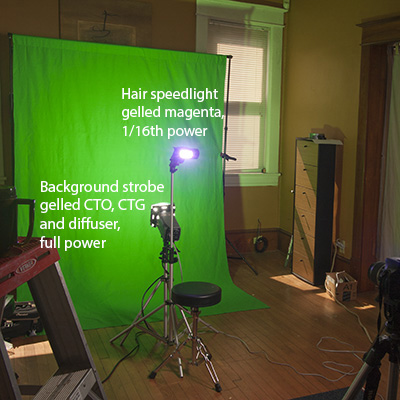
Creating Realistic Composites, Part 1: Shooting on a Green Screen

Creating Realistic Composites, Part 2: Processing and Compositing

Creating Flexible, Updatable Composite Images using Smart Objects

Creating a Realistic Composite Photo with Displacement Mapping

How to Make a Retro 80s Composite Portrait




