


You never get a second chance to make a first impression. Image and appearance matter, especially for a visual medium like video. In this tutorial, you’ll learn about clothes for video, like the best colors to wear on camera, shapes and patterns. You’ll also find out what not to wear.
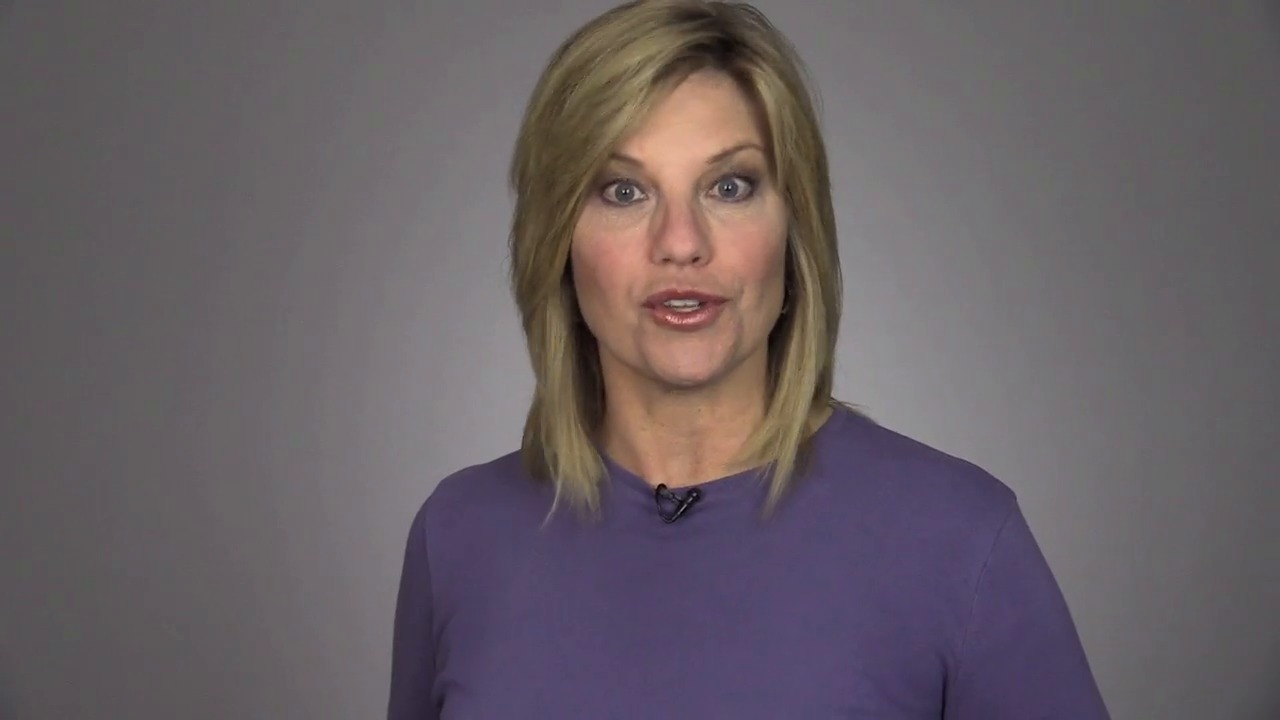
What Image Do You Want to Portray?
The first thing to consider when thinking about video and TV clothes, is your overall image.
When I was working as a news anchor, I always wore a tailored suit because I needed to appear polished and professional. The subject matter was usually serious, and it was important that people see me as a reliable and trustworthy source of information. When I’m teaching online, though, I prefer to wear casual outfits such as jeans and a sweater or blouse. I want to appear friendly and approachable, and a little more relaxed and conversational.
Some people even develop a signature look so they don’t have to worry about what to wear. A perfect example of this is the late Steve Jobs, the head of Apple. He always wore blue jeans and a black mock turtleneck. That was his signature look.
So ask yourself: How do I want people to see me? Also consider:
- Is what I’m wearing appropriate for what I’m talking about (the subject matter)?
- Is what I’m wearing appropriate for who I’m talking to (the audience)?
- Is it comfortable? Can I move around freely? Do I feel good in it? The last thing you want to be worrying about is whether your collar is crooked or your pants are just a little too tight.
Answer these questions before you make a decision for what to wear on TV or video.
Choose Camera-Friendly Colours
The next thing to consider is colour. If you want the best colors to wear on camera, I recommend solid colours over multi-coloured prints or patterns. The reason is simple: you want people to focus on you and your message, not your clothing. Solid colours next to your face are unremarkable. Forgettable, even. Provided you choose the right colours, that is.
So what’s a good colour? The camera loves rich jewel tones like sapphire blue, emerald green, ruby red, amethyst purple, turquoise, topaz yellow.


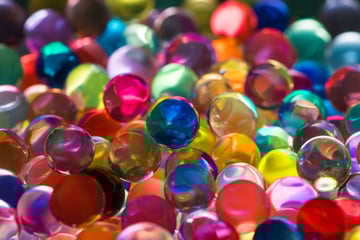
These colours really pop on camera and look great on everyone, which is why they’re perfect for video and TV outfits.
Avoid Bold or Distracting Patterns
Now let’s take a look at textures and patterns. As a general rule, avoid them. Big plaids and bold stripes can be distracting, and again, you want people to focus on you, not on your video or TV clothes.
One absolute no-no regarding what to wear on TV or video is tight repetitive patterns like high contrast pinstripes, herringbone, houndstooth, and fine checks:

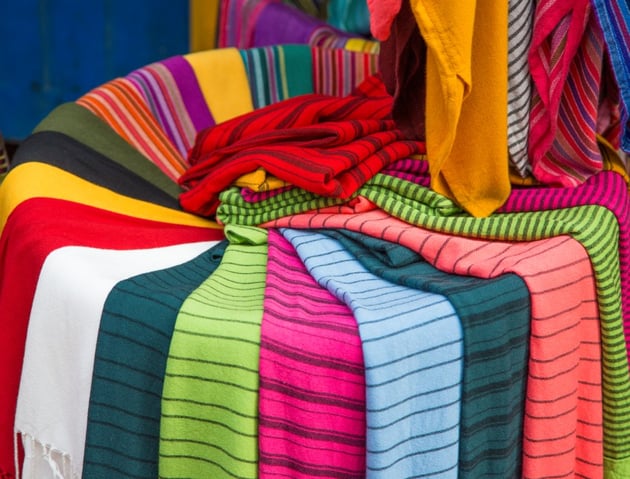
Pinstripes create a weird moiré effect on camera, where they appear to strobe and dance. I see a lot of this with neckties in particular. Go for solid colours instead so you’ll have great clothes on TV and video.
Beware of silks, satins and other shiny fabrics for your video or TV clothes—they’ll reflect light and shimmer every time you move your body:
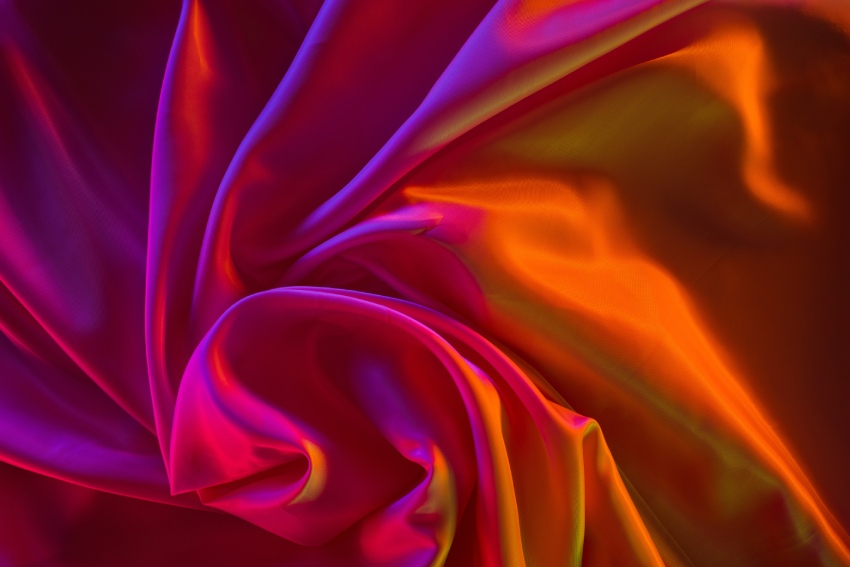
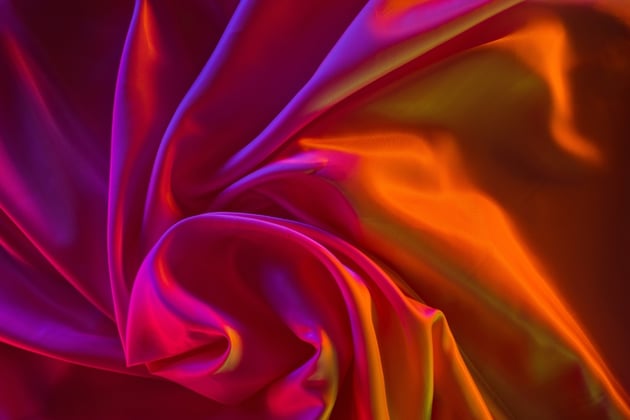

Velvet, velour and suede have the opposite effect— these fabrics absorb light, and end up looking muddy on camera. That’s not what you want for your clothes on TV and video!
Wear Clean Lines and Fitted Shapes
When it comes to the shapes of your clothes on TV or video, keep it simple. Think about what to wear on TV and video in terms of clean lines. Avoid fussy details like frilly collars and lots of buttons—again, these can be distracting.



You’ve probably heard that the camera adds ten pounds? Yep, it’s true. So stay away from clothing that’s baggy or boxy in shape—you’ll just look bigger. Your clothes for video should be fitted and follow the contours of your body, but not be too tight.
A few more tips for your video or TV outfits:
- Be mindful of dressing too seasonally. Choose clothing that has a year-round appeal.
- Don’t wear logos, unless they’re your own. These are trademarked images.
- If you’re interviewing someone and they’re not sure what to wear, ask them to bring a few different video or TV outfits. That way you have some options.
Consider Microphone Placement
One final thing to keep in mind when choosing clothing is microphone placement. This is important if you’re planning to use a clip-on or lavaliere microphone. These are also known as lapel mics, because that’s where they’re usually clipped on: the lapel of a jacket.
Make sure when you put the lav mic on that you hide the cord—a common mistake is to leave it hanging out:



The easiest way to hide the cord is to run the mic up inside your shirt and bring it out near the top. Avoid blouses made of really light, flimsy fabrics—the weight of the mic can drag them down and out of place.
If you’re using a wireless lav mic, you need to have a somewhere to put the transmitter. Usually you can just clip it to a waistband or pocket. If you’re planning to wear a one piece dress, though, you might have to get more creative. Duct tape, anyone?
So just to recap: keep clothes for video simple. Go for clean lines, solid colours, fitted shapes.
Click the link to take a look at the dos and don’ts of clothing accessories like eye glasses, hats and jewelry.
Find More Helpful Articles on Envato Tuts+!
Need more help figuring out video production, cameras, and more? Here are more helpful articles from Envato Tuts+!




 By
By






