
 Lessons: 11Length: 55 minutes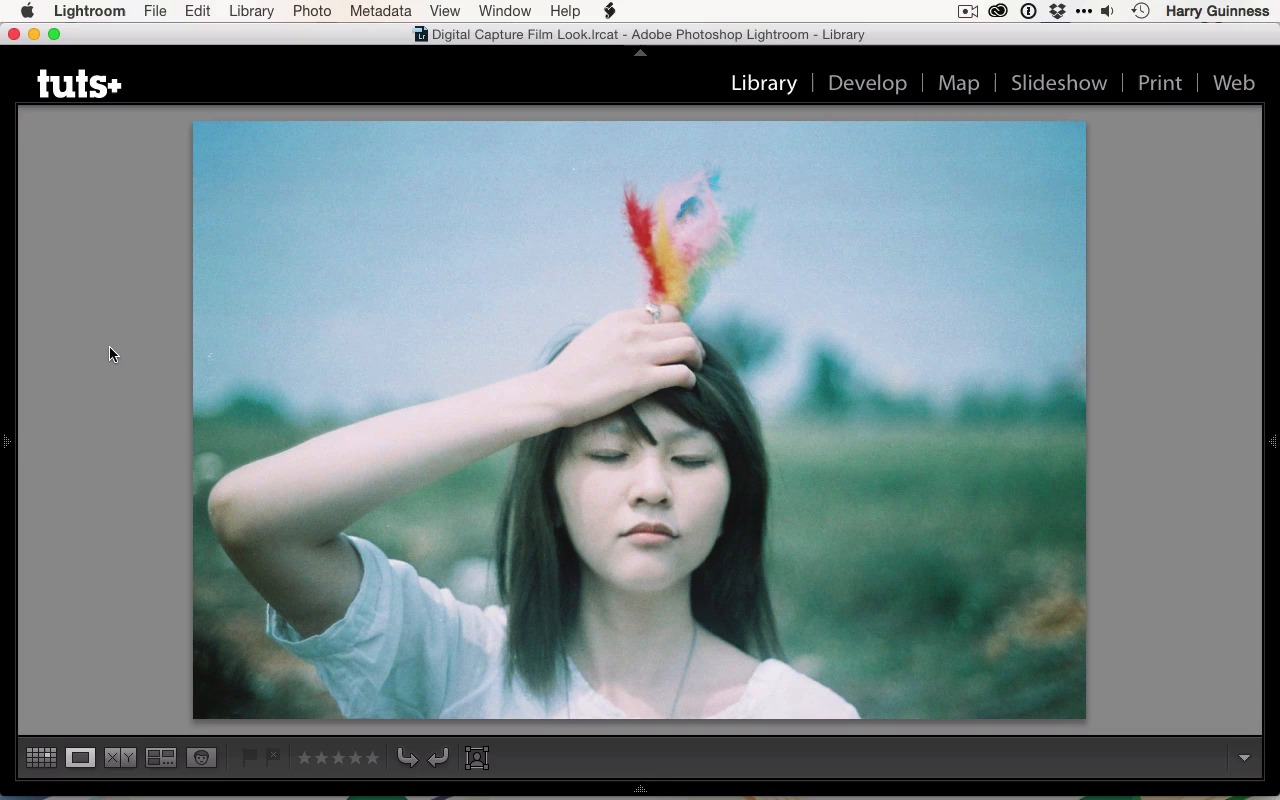
- Overview
- Transcript
1.4 Intention and Consistency
In this lesson you'll learn why film photography requires more conscious planning than digital photography, and how consistent film choice over time builds your personal style.
1.Introduction
1.1Introduction01:29
1.2What You'll Need02:26
1.3The Kodak Gold 100 Look04:41
1.4Intention and Consistency04:30
2.Lightroom, VSCO and Emulation
2.1Assess the Image04:33
2.2Bring the Image to Neutral05:54
2.3Apply the Preset05:26
2.4Local Adjustments12:30
2.5Finishing Off08:16
2.6Consistency in Lightroom03:10
3.Conclusion
3.1Conclusion01:51
1.4 Intention and Consistency
Hi and welcome back. In the previous movie I looked at the differences between how digital images and film images look especially with Kodak Gold 100. In this movie I’m gonna look at the differences between film and digital photography overall. To me, there are two big differences. The first is the intentionality that goes into creating an image, and the second is the consistency between images. Film photography has a lot more limits than digital photography. You have to make choices and decisions and there's trade-offs that come with them. When you select a particular film, you're stuck with that film for a certain number of shots. This can be great if it's the right film from circumstances, but if your circumstances change, it might not be what you're looking for. If you're shooting outdoors with a low ISL film, and then you go indoors, you're gonna struggle to correctly expose your images. That's another important thing with film, correctly exposing your images in camera. You don't have the luxury of looking at an LCD screen and going eh, it's a little bit overexposed, I'll increase the shutter speed a little bit. With film you have to think about it and get it right first time. Otherwise you're not going to come away with musical images. Yes, there were tools that were used like light meters. But it still meant that every shot had to be thought about. Film's also expensive. You can't just shoot hundreds of thousands of frames and hope to come away with something great. You have to really think and work for it. There's lots of photos that you take with a digital camera that you'd ignore with a film camera because you just know they're just not gonna be up to scratch. This thinking about what you're doing in every step is really important in film photography, and it's often lost with digital photography. When I go out and shoot I'll often have 64 GB of flash memory with me. That amounts to thousands of frames, even with large raw files. I'm carrying more potential exposures on a walk around the park than some of the greatest photographers of the last century, would take on a six-month trip around the world. It's very, very easy just to get into the habit of taking pictures of everything and just snapping away, and just using burst mode. When you lose this intentionality, you stop thinking properly about your images, and bringing that back into digital photography is one of the points of this course. While you need to shoot with intention, you also need to edit with intention. Just going in and playing with sliders randomly until you get something that's somewhat pleasing isn't a great way to approach it. You need to address what an image needs, what it's problems are, and what emotions you're trying to invoke. Once you've decided these things, you can make the changes necessary to evoke them and fix the problems. Simply thinking and deciding what you want to do is one of the huge things that film photographers have always done, and digital photographers can lose sight of. Bringing that back into your photography is one of the things that will improve you the most as a photographer. The other huge difference between film photography overall and digital photography overall is the consistency between body of work. I've got some other shots by Angus88 here and they're obviously shot in the same setting with the same model, and the same film. But the thing about them is, they all look similar and related. And this is even before editing. Straight out of camera, you have this lovely, consistent look and body between these images and it's a wonderful series of photos. You can recreate this with digital, no problem, but if you don't actively try to recreate it, you wont automatically get this lovely series of images, every time you shoot. That's where having a workflow and using things like presets becomes really important. It allows you to introduce this consistency into your work as a photographer. If you want to become known for shooting a certain style or working with a certain subject matter, having this consistency is the only way to do it and again, like bringing attention back into your photography. Bringing consistency into it is one of the most important ways you'll improve as photographer. In the rest of this course, we're gonna at look at bringing intention and consistency into the digital darkroom.





